





OUT OF PLACE
ART AND STORIES FROM THE WORLD’S REFUGEE CAMPS
Under the patronage of United Nations High Commissioner for Refugees (UNHCR)
June 17 - July 19, 2026
Fondazione Luigi Rovati, Milan
November 10 - 13, 2025
European Parliament, Bruxelles
June 9 – August 31, 2025
Giardino Pensile di Palazzo Moroni and Cortile Antico del Bo, Università di Padova
March 7 – July 14, 2024
Gallerie delle Prigioni - Treviso
Curated by
Claudio Scorretti
Irina Ungureanu
Aman Mojadidi
SITE-SPECIFIC INSTALLATIONS

REFUGEE CAMPS
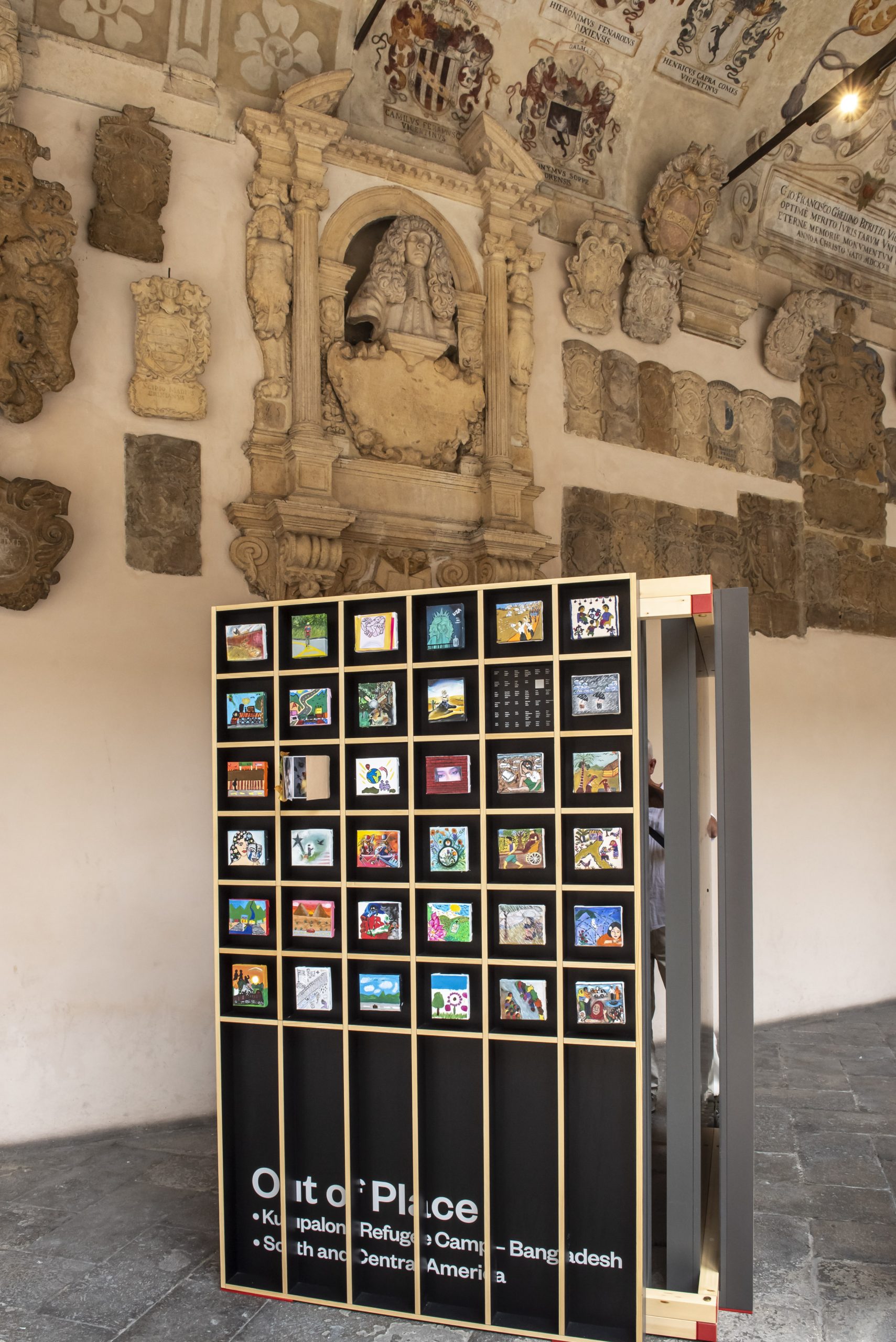
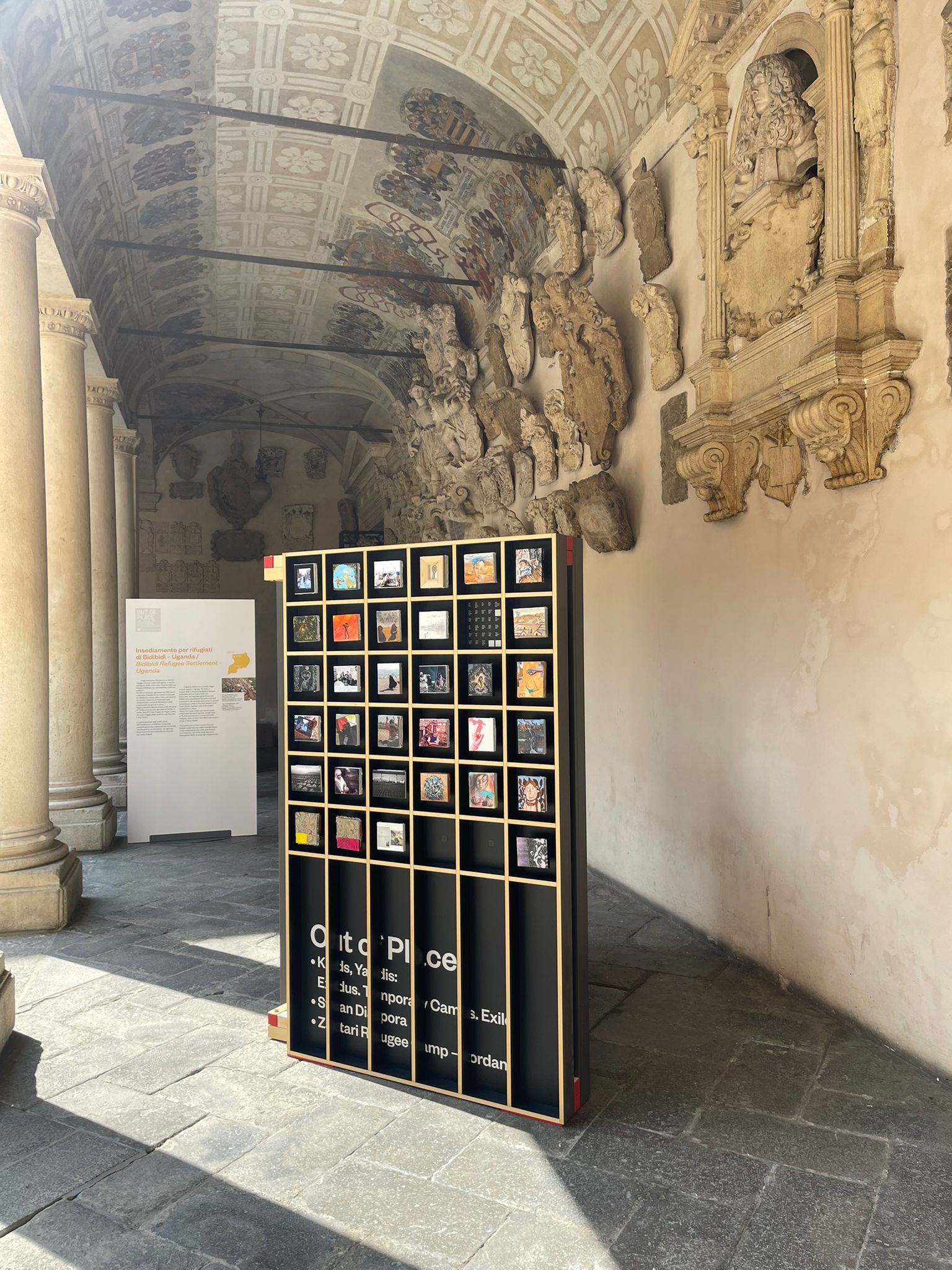
Based on research conducted between 2022 and 2024 across eighteen of the largest refugee camps currently in existence, as well as other areas affected by migration, Out of Place presents the testimonies—through artworks and personal stories—of 264 artists who live in these settlements or who have experienced similar circumstances in the past. Alongside the 284 artworks created in the collection’s distinctive 10 × 12 cm format, the project gives significant space to the artists’ narratives, offering an exploration of the current global refugee crisis, the most complex in history according to the United Nations High Commissioner for Refugees (UNHCR).
Borrowing the term out of place, which Palestinian writer Edward Said used to describe refugees, including himself, the project was conceived to provide a space for artistic and narrative expression to artists living in one of the most challenging realities of our world: refugee camps. As Said wrote, “Exiles, migrants, refugees and stateless persons, uprooted from their homelands, are compelled to confront a new landscape; and creativity, as well as the profound unhappiness often attributed to such out-of-place subjects, constitutes one of those experiences that has yet to find its own narrative.”
The project offers a broader reflection on today’s global refugee crisis. Following testimonies from Kutupalong in Bangladesh, the exhibition presents works from Africa, including two major camps in Kenya—Dadaab and Kakuma—as well as the settlements of Nakivale and Bidibidi in Uganda, Dzaleka in Malawi, Nyabiheke in Rwanda, and Smara together with the adjacent camps of El Aaiun, Awserd, Boujdour and Dakhla in Algeria.
The artworks also provide testimonies from the Middle East, including Za’atari, the largest camp for Syrians, and five Palestinian refugee camps—Baq’a, Hittin, Irbid, Madaba and Souf—all located in Jordan.
This geographical map is further enriched by artists who, from the 1980s to the present day, have experienced similar situations in other parts of the world, including Kurdish and Yazidi artists who recount the complex history of their people, and 40 Afghan artists who either left Afghanistan or remained there following the Taliban’s return to power in August 2021.
The collection is completed by testimonies of migration into Europe from Ukraine and along Mediterranean routes, as well as a section dedicated to migration corridors in Central and South America, with a focus on the border between Mexico and the United States.
The Imago Mundi Collection Out of Place will be exhibited at Museum Fünf Kontinente in Münich from November 26 till May 30.
Out of Place is on show at Padiglione d’Arte in Fondazione Luigi Rovati in Milan until 19 July.
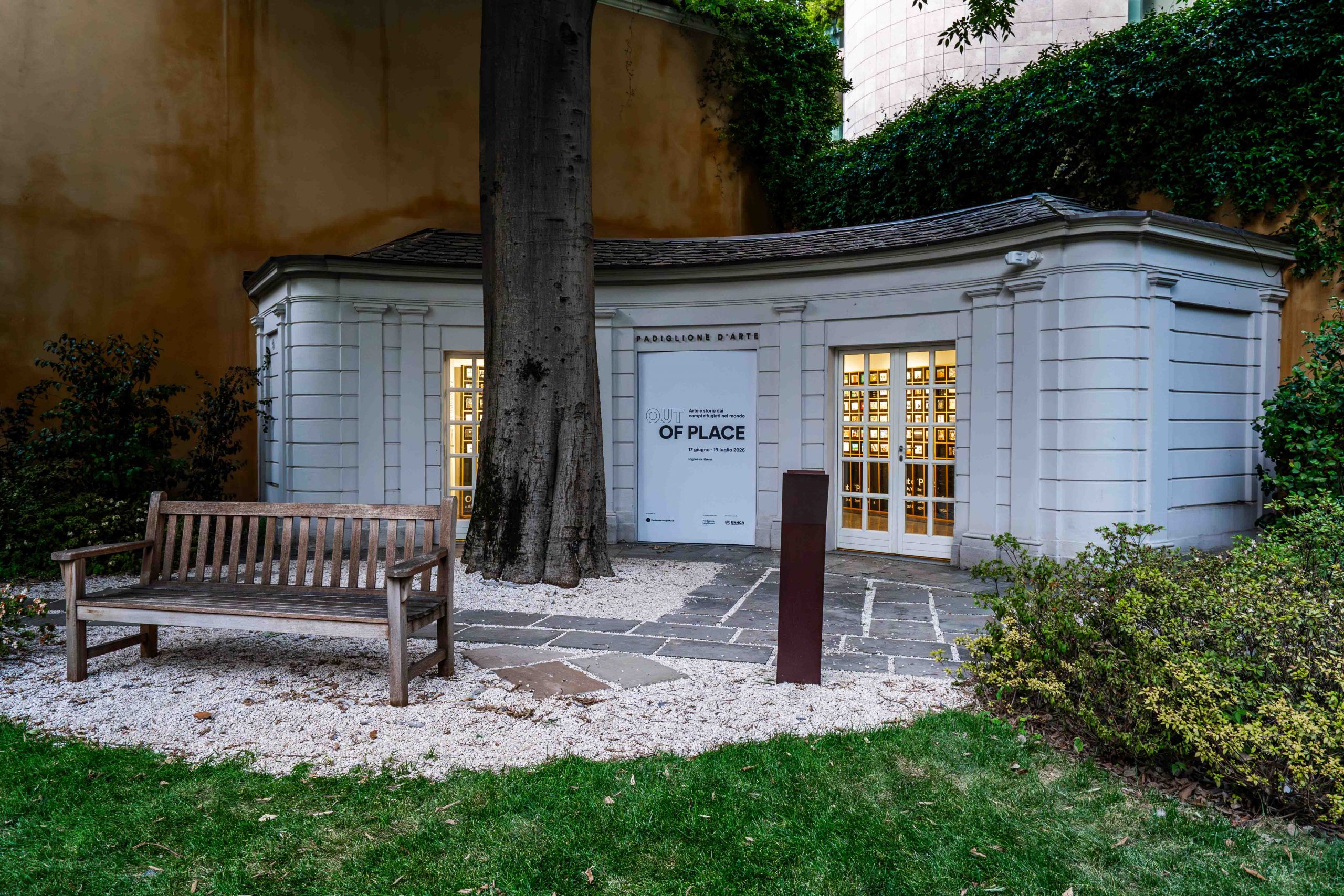
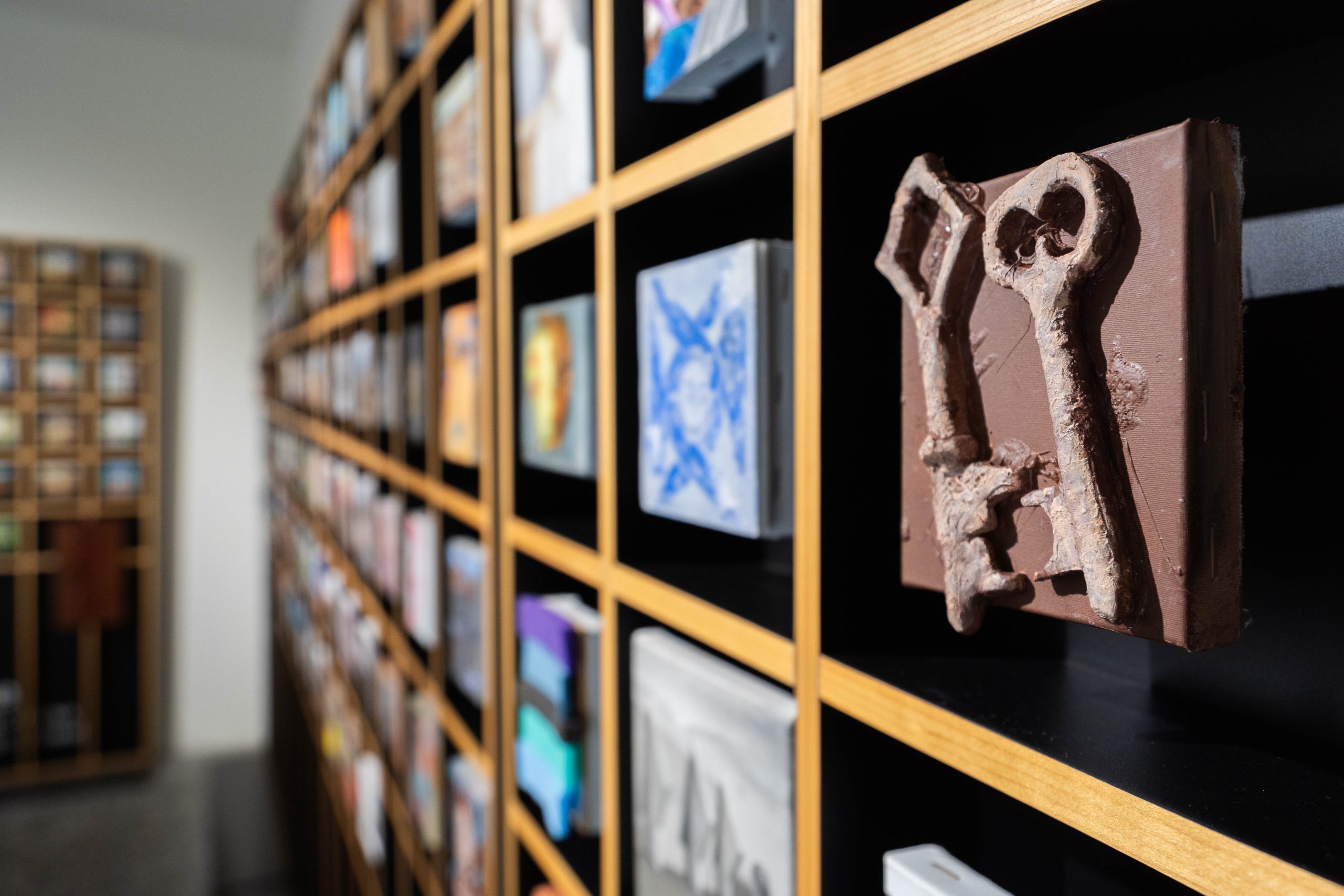
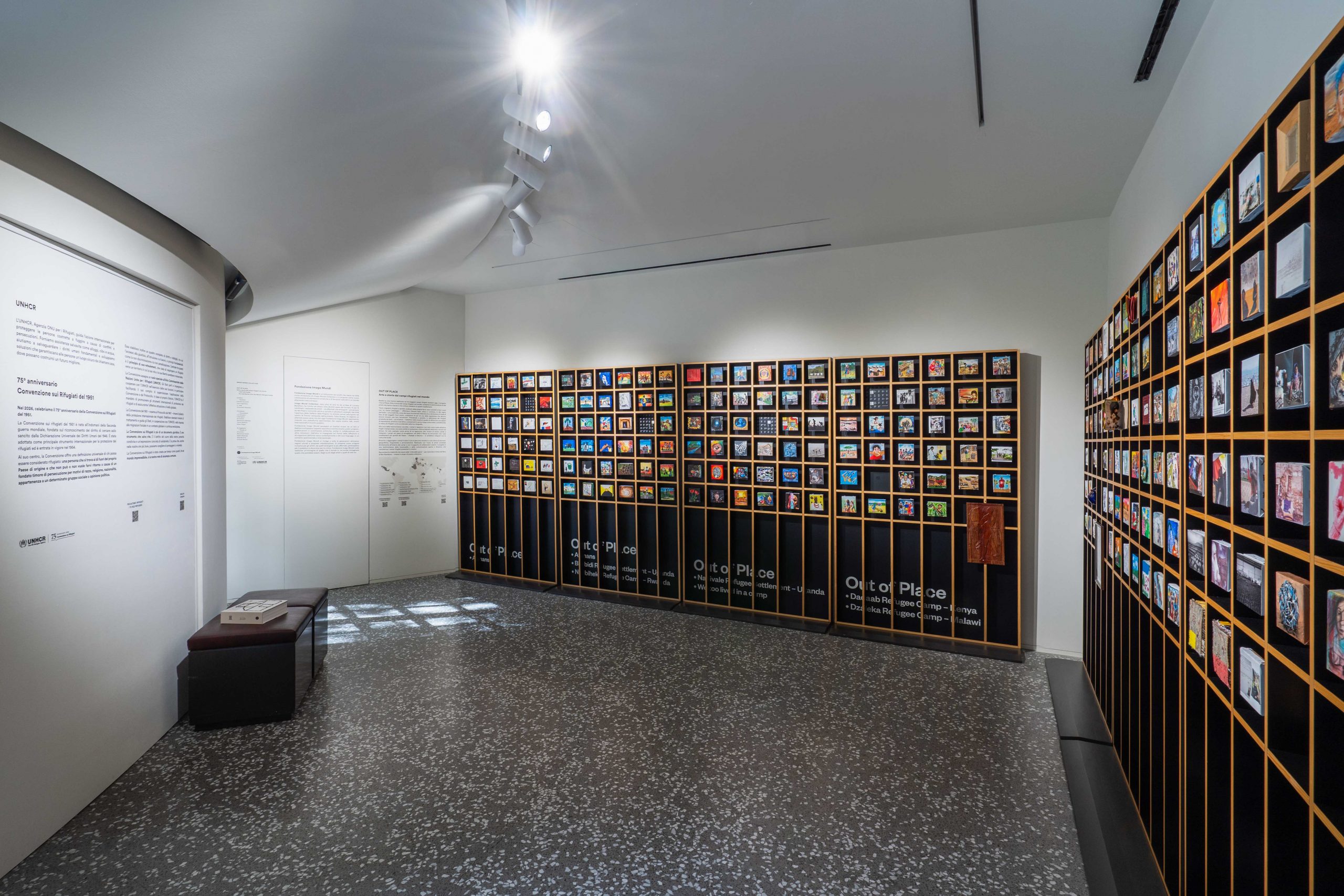
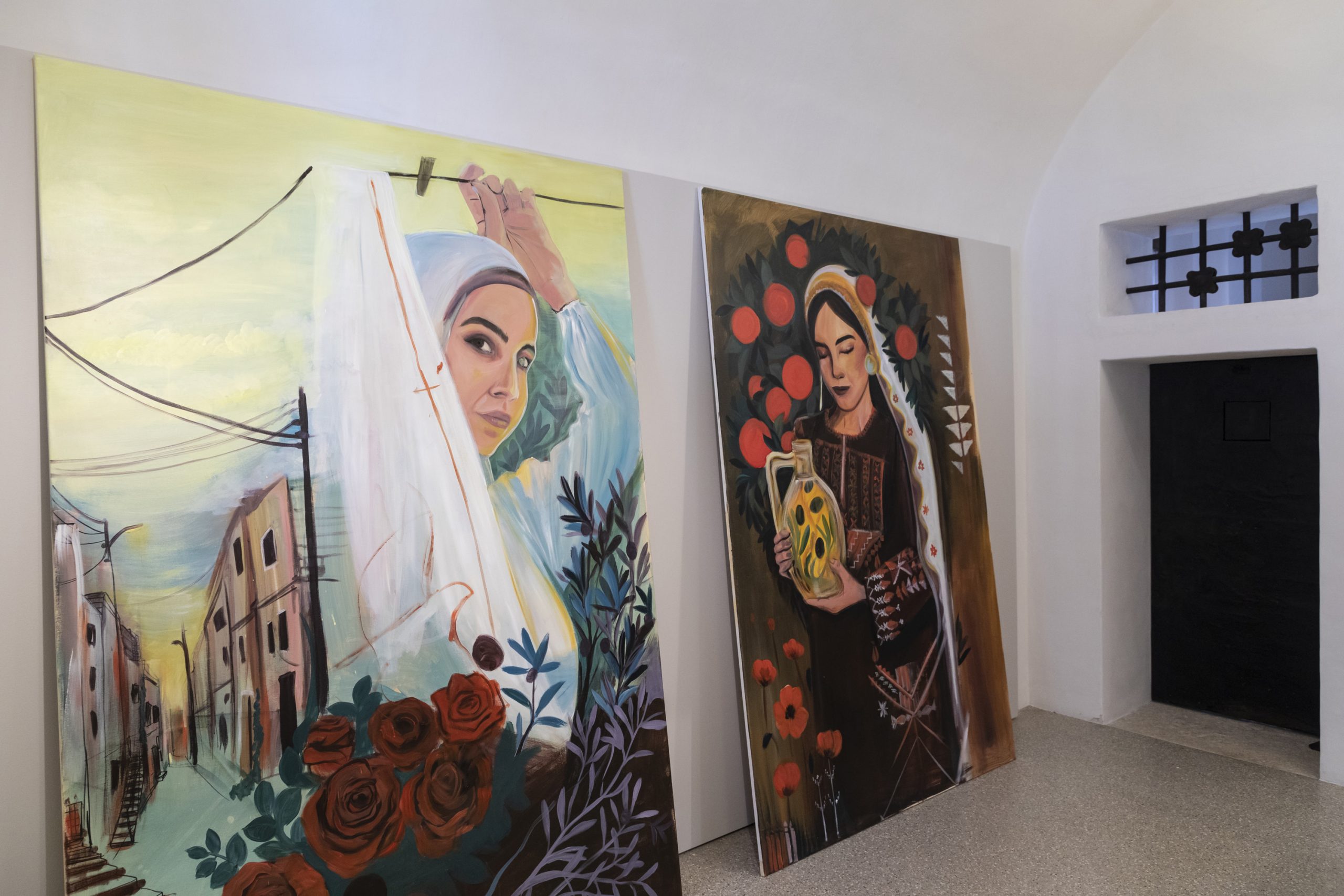
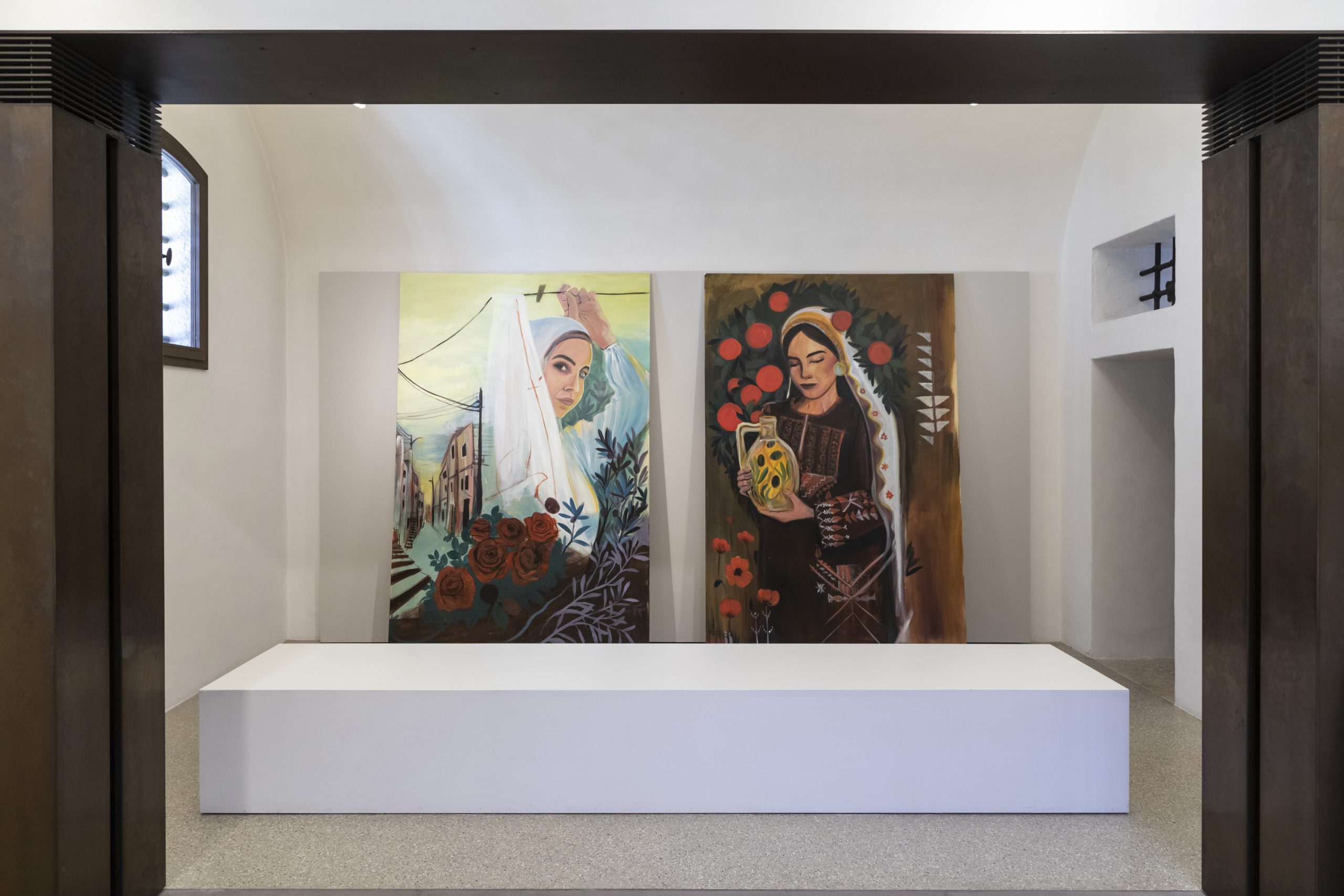
Installation views of Out of Place in Fondazione Luigi Rovati. Photo credit Daniele Portanome
The ‘Out of Place’ collection was on display at the European Parliament from 10 to 13 November.
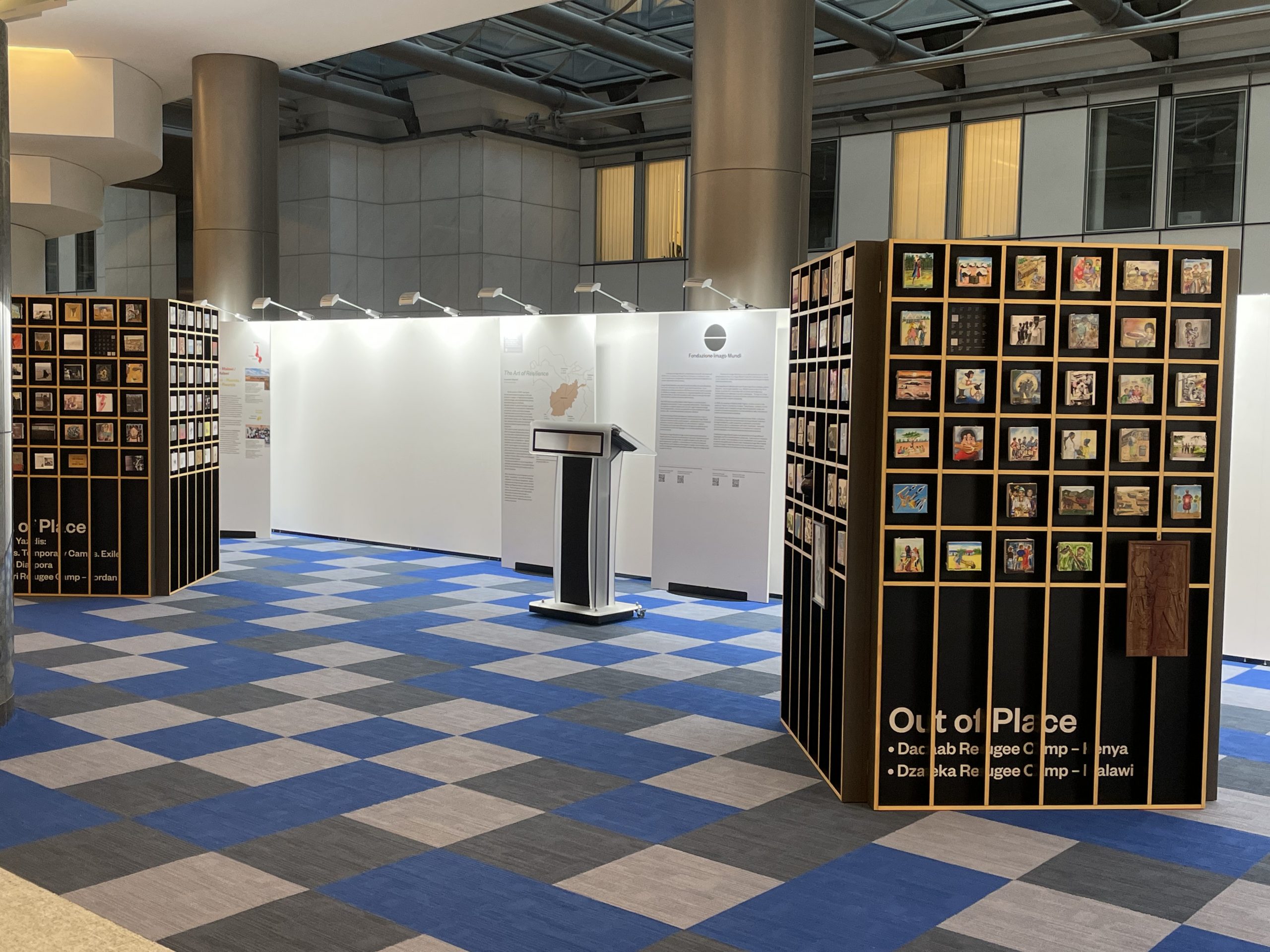
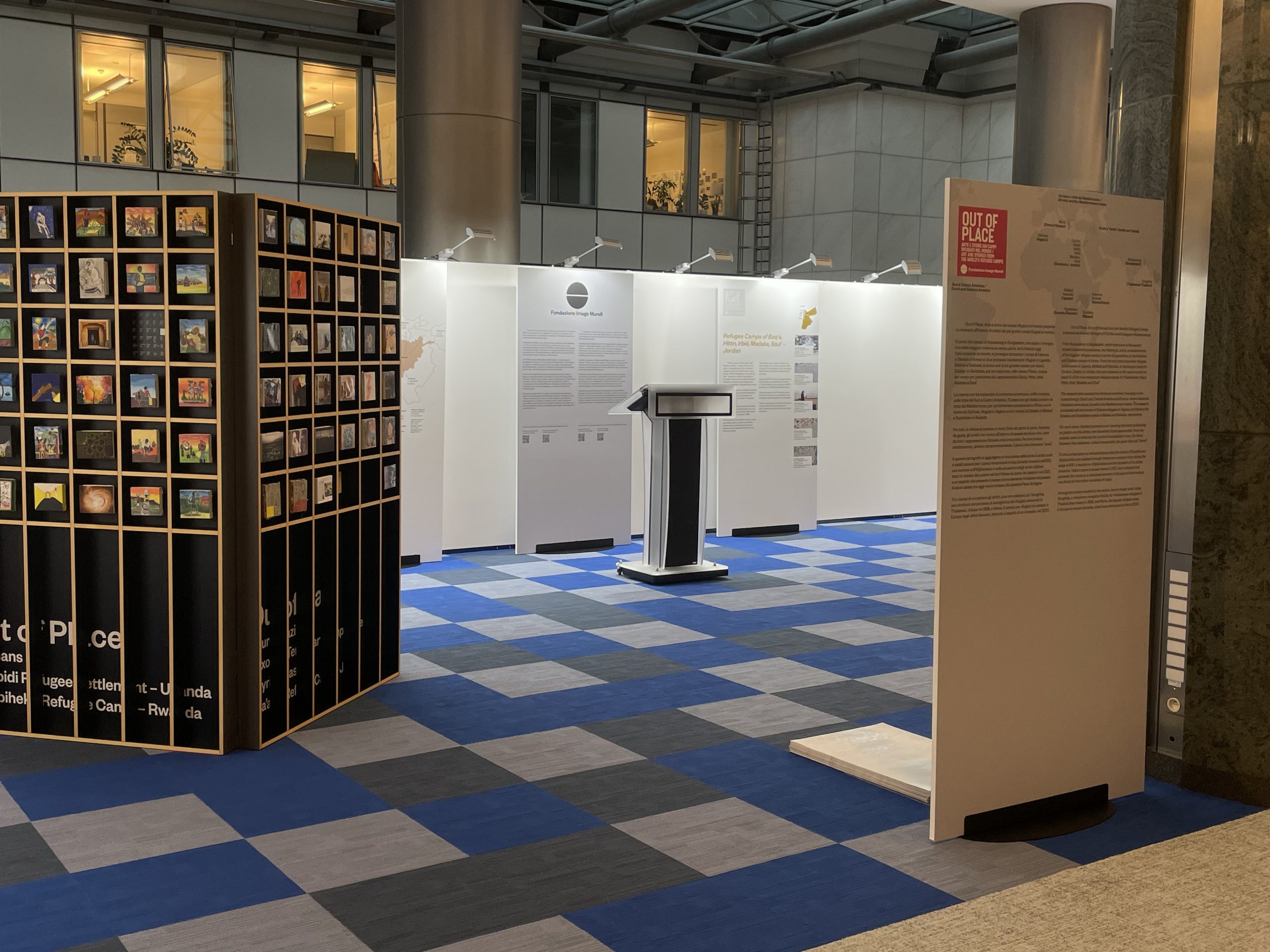
From 9 June to 31 August 2025, the exhibition Out of Place will be open to visitors in Padua. It will be located in the Giardino Pensile di Palazzo Moroni until 30 June, and in the Cortile Antico del Bo at the University of Padua until 31 August.
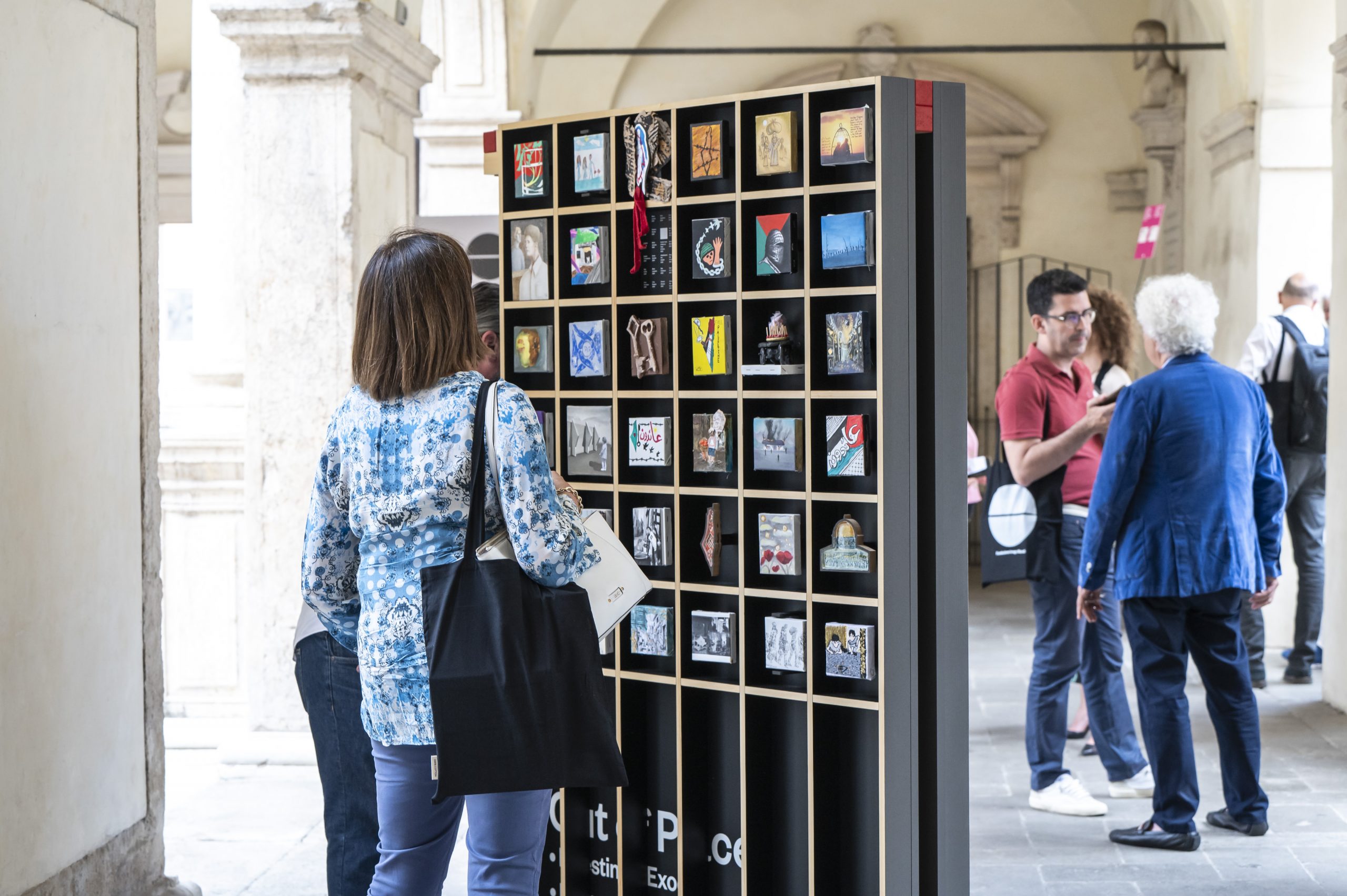
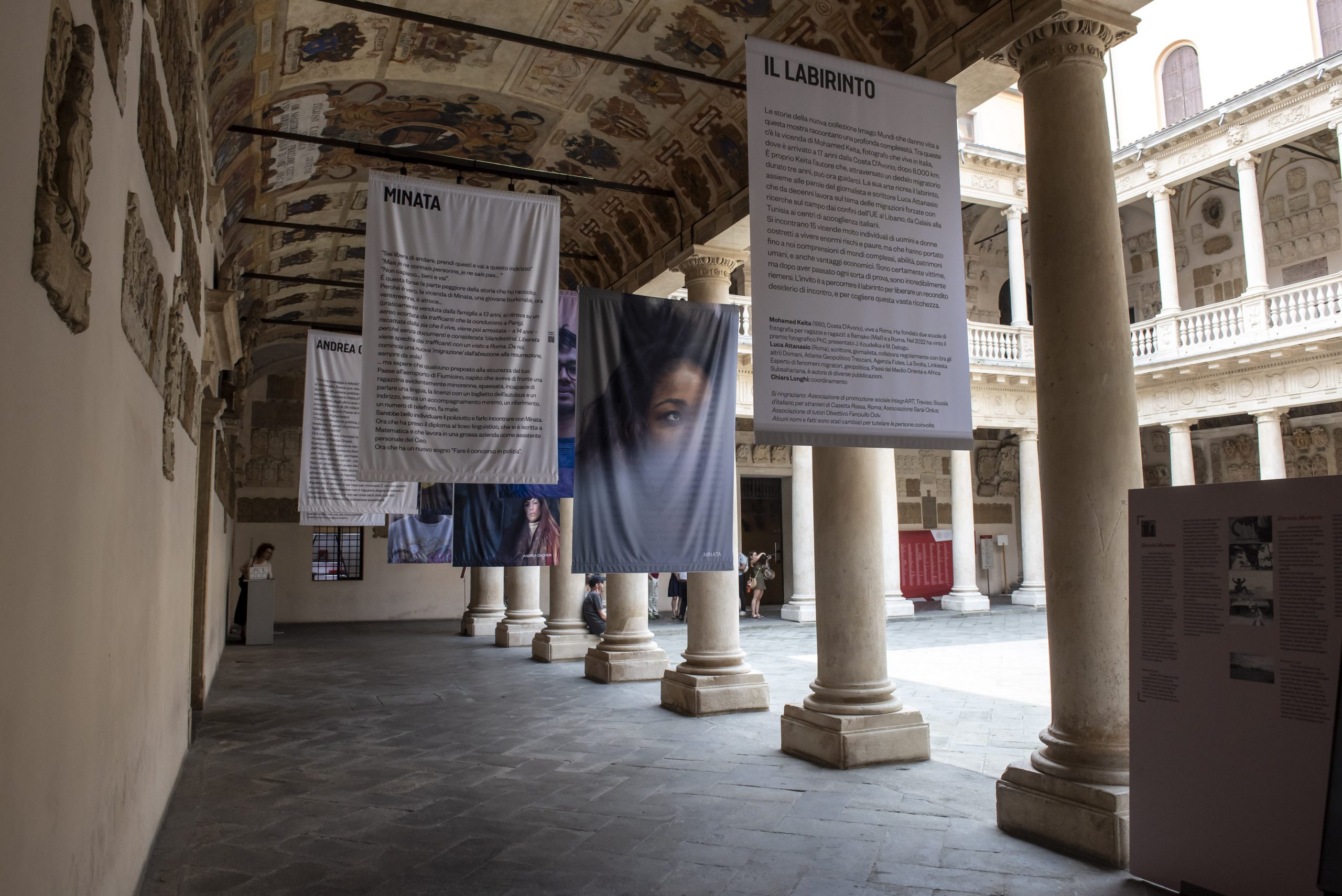
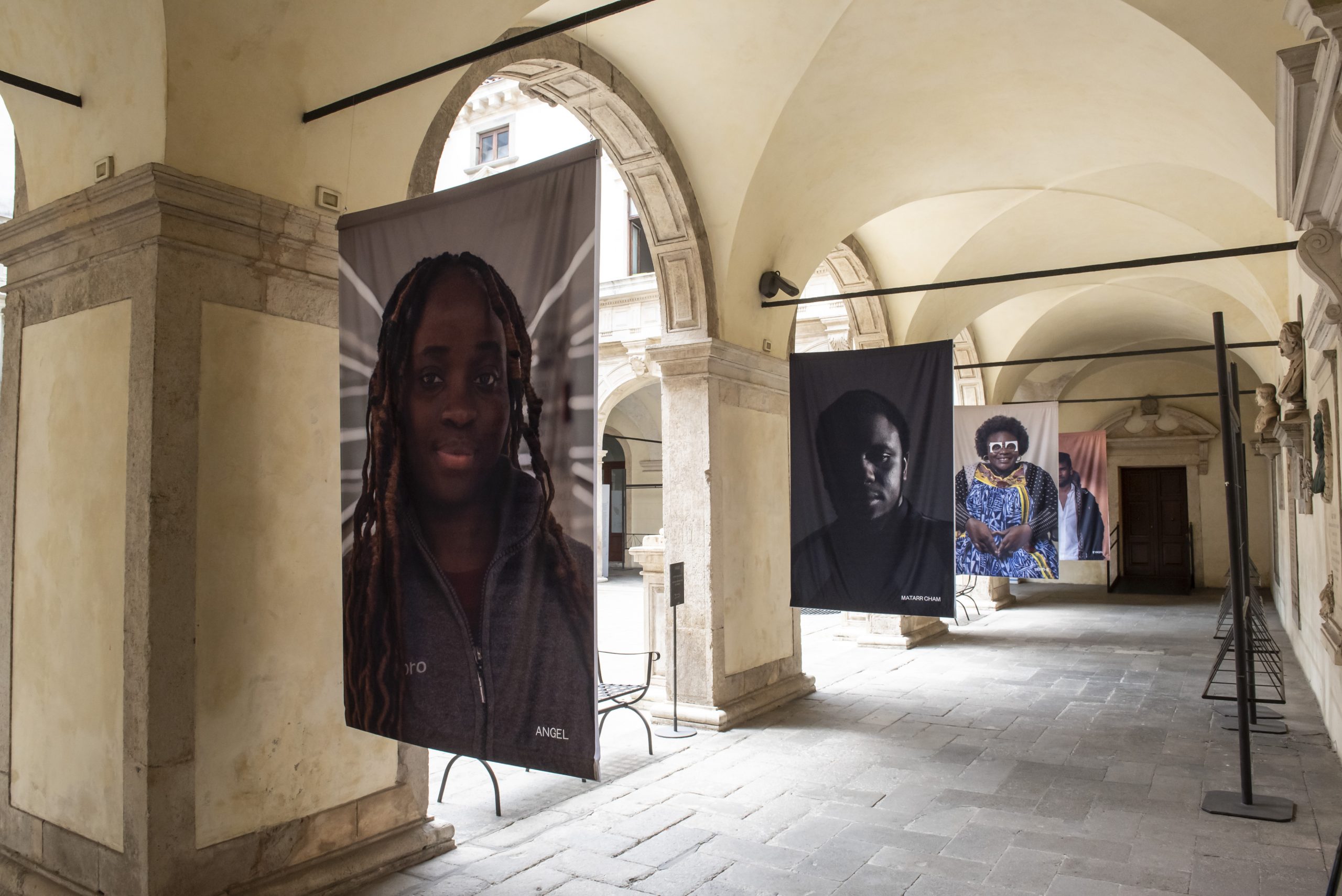
Fondazione Imago Mundi presents from Thursday, 7 th March to Sunday, 14 th July 2024 the exhibition Out of Place. Art and Stories from the World’s Refugee Camps at Gallerie delle Prigioni, Treviso.
The exhibition, curated by Claudio Scorretti, Irina Ungureanu and Aman Mojadidi, is based on research carried out within 18 of the world’s largest refugee camps and presents the testimonies – both works and stories – of 264 artists who currently live in these settlements or who have had a similar experience in the past.
Alongside the 284 artworks created by these artists in a 10×12 cm format, the exhibition features other artistic interventions, including photography, video, installations and photo-video documentation to advance a wider reflection on the current global refugee crisis.
After Kutupalong, in Bangladesh, the exhibition presents different testimonies from Africa with the largest refugee camps in Kenya – Dadaab and Kakuma –, another two representative settlements in Uganda – Nakivale and Bidibidi, the camp of Dzaleka in Malawi, the one in Nyabiheke, Rwanda, and the settlement of Smara with the adjacent El Aaiun, Awserd, Boujdour, and Dakhla, in Algeria.
The inquiry then turns to the Middle East, to open the doors of Za’atari, the biggest camp for Syrians, and to five Palestinian camps: Baq’a, Hittin, Irbid, Madaba and Souf, all in Jordan.
Added to this map are artists who, from the 1980s until the current day, have lived in similar conditions in other geographical areas, including Kurdish and Yazidi artists who tell the complicated story of their people. A section on Afghanistan features the works and stories of 40 artists who have left their country or continue to live within its borders since the Taliban takeover in 2021.
Completing the exhibition are accounts of migration to Europe from Ukraine and via the Mediterranean routes, along with a section devoted to migration corridors in South and Central America, with a focus on the Mexico-U.S. border.
“Exiles, émigrés, refugees, and expatriates uprooted from their lands”, wrote Edward Said in Reflections on Exile, “must make do in new surroundings, and the creativity as well as the sadness that can be seen in what they do is one of the experiences that has still to find its chroniclers…”
Borrowing the definition of refugees proposed by Said – Out of Place – the objective of the exhibition is to offer a space of artistic and narrative expression to the artists living in refugee camps, and to present them first and foremost as artists, considering their current and past refugee status as accidental in their biographies.
In the light of the stories and testimonies collected here, the camps appear not only as fragile and temporary living realities, but as evolving entities, “accidental cities”, urban conglomerates destined to last over time. To give just one example as proof of an approach that, rather than causing isolation, as has happened in the past, instead tends towards the integration of long-term camps into their host countries: in 2023 Kenya announced that the two largest camps in the country – Dadaab and Kakuma – would become integrated settlements where refugees would have to coexist with local communities.
The story of reaching the camps was itself an initiatory journey and a breaking of barriers: geographical, linguistic and administrative. Carried out with the help of artists contacted directly within the camps and with the support of external collaborators, the project is a testimony to the functionality and open and dynamic communication that characterises the refugee camps reached.
Despite the vicissitudes, the fact that artistic expression is still possible in the camps and that artists continue to be artists remains an extraordinary discovery. Painters, sculptors, photographers and directors born and trained in the camps, and often grouped in small communities, thanks to the support of humanitarian organisations, their stories teach powerful lessons of determination and confidence in the force of art.
To highlight the creativity that is born in the “cities of thorns”, to recall the title of Ben Rawlence’s book on life in the Dadaab complex, is the purpose of the exhibition. In short, it seeks to find that creative energy capable of transfiguring an unsustainable reality and conveying a message like Aminah Rwimo’s, an award-winning director from the Kakuma camp: “I wanted to set an example and tell my fellow survivors that whatever happened to us is now part of our lives. But this is not the end.
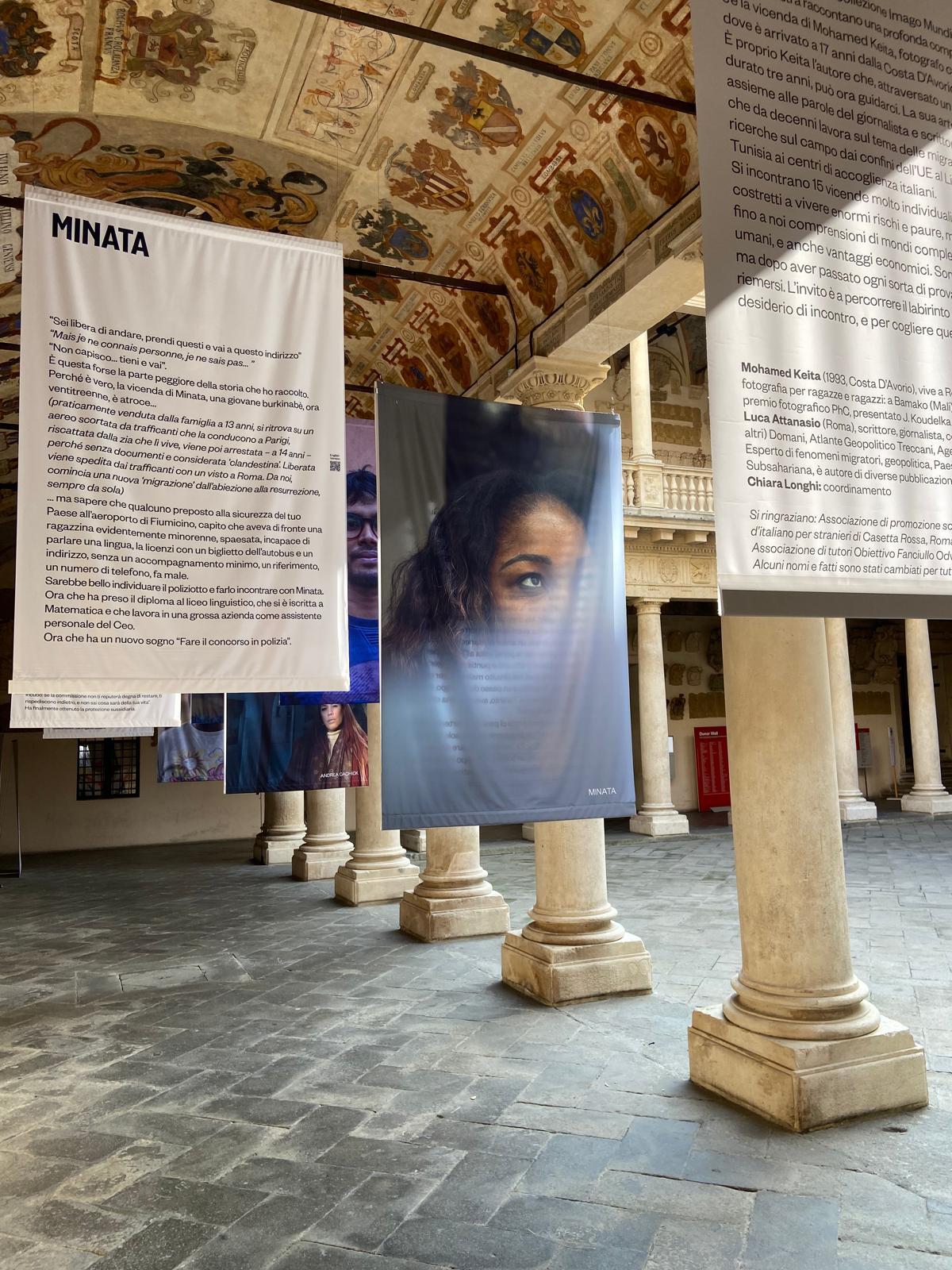
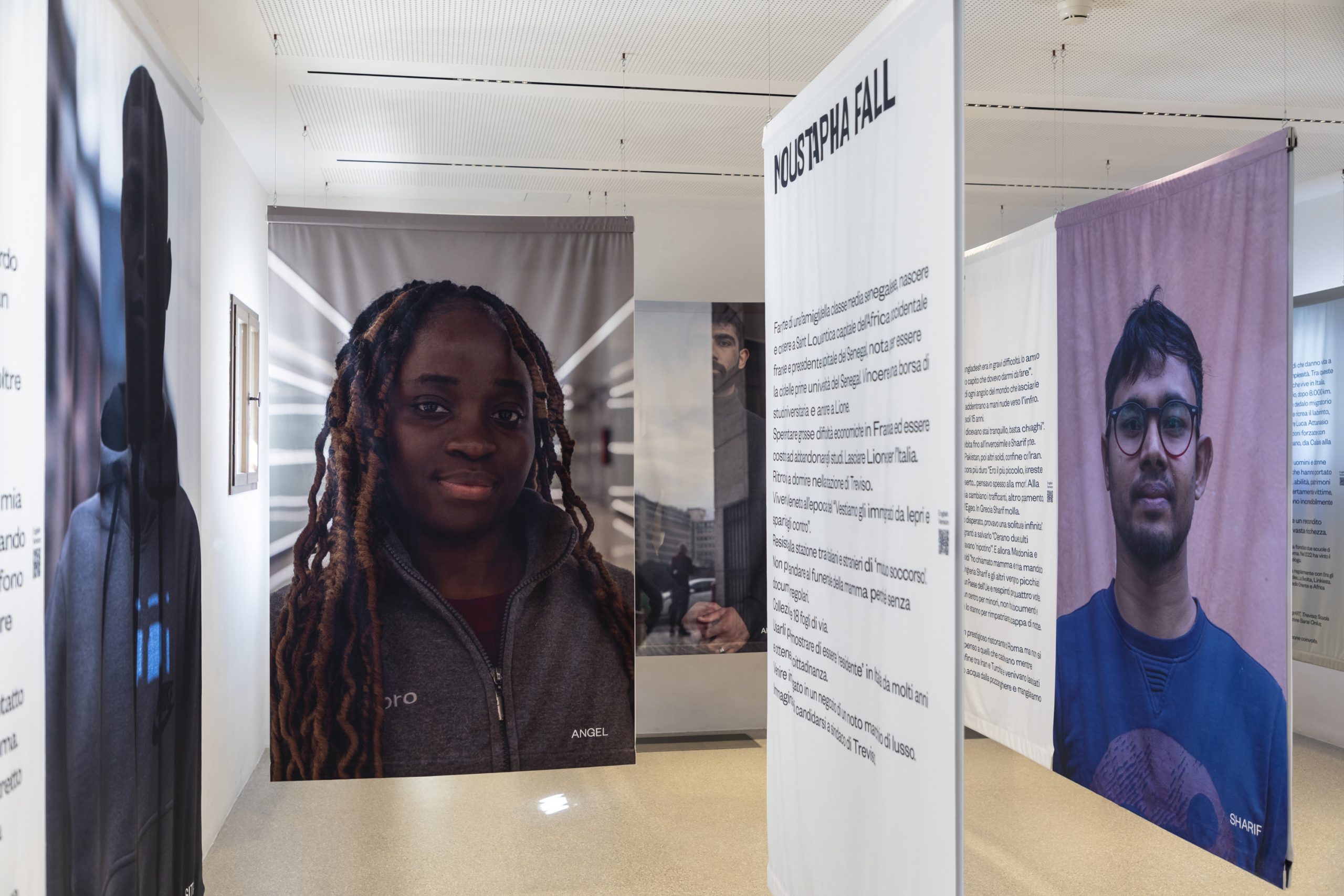
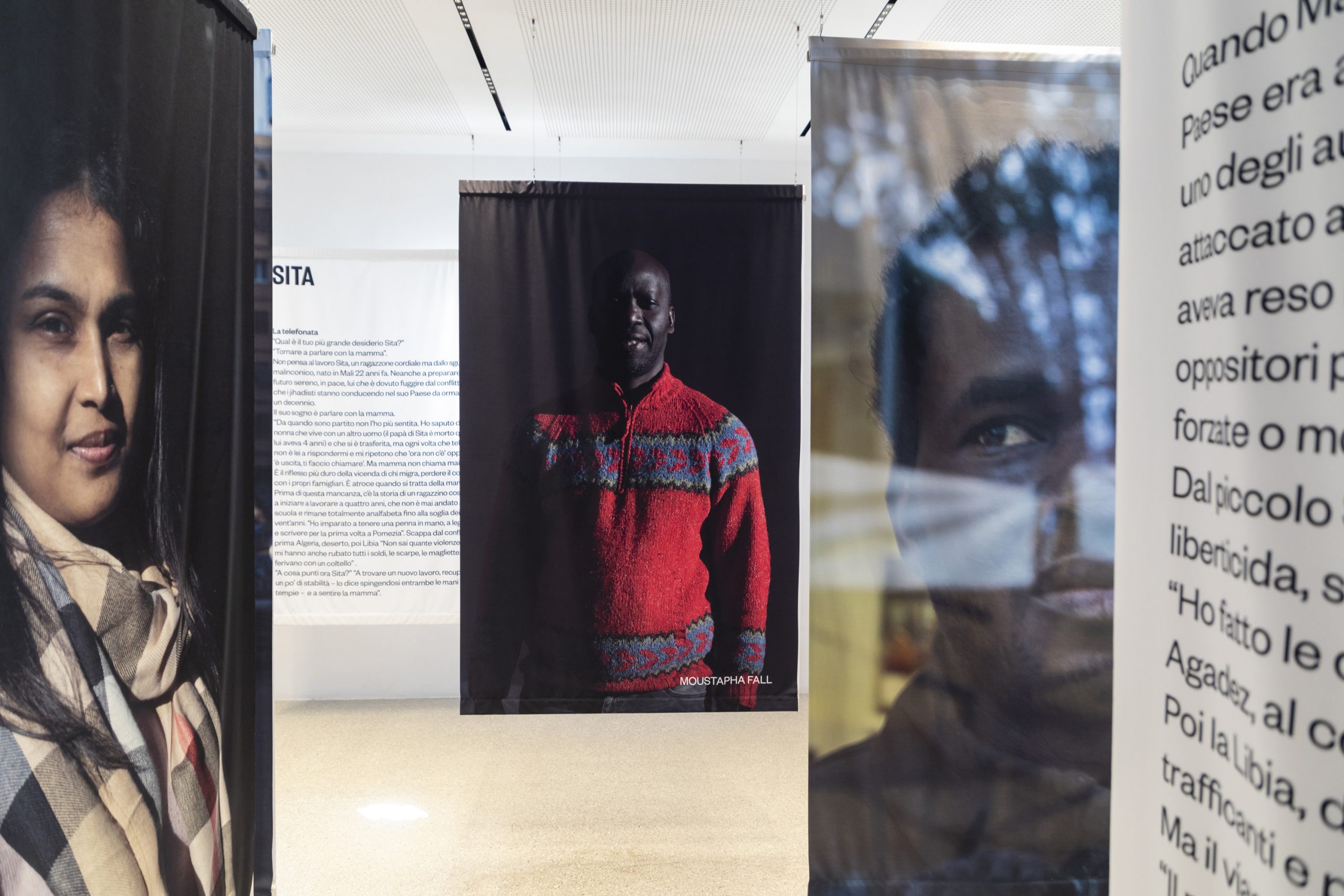
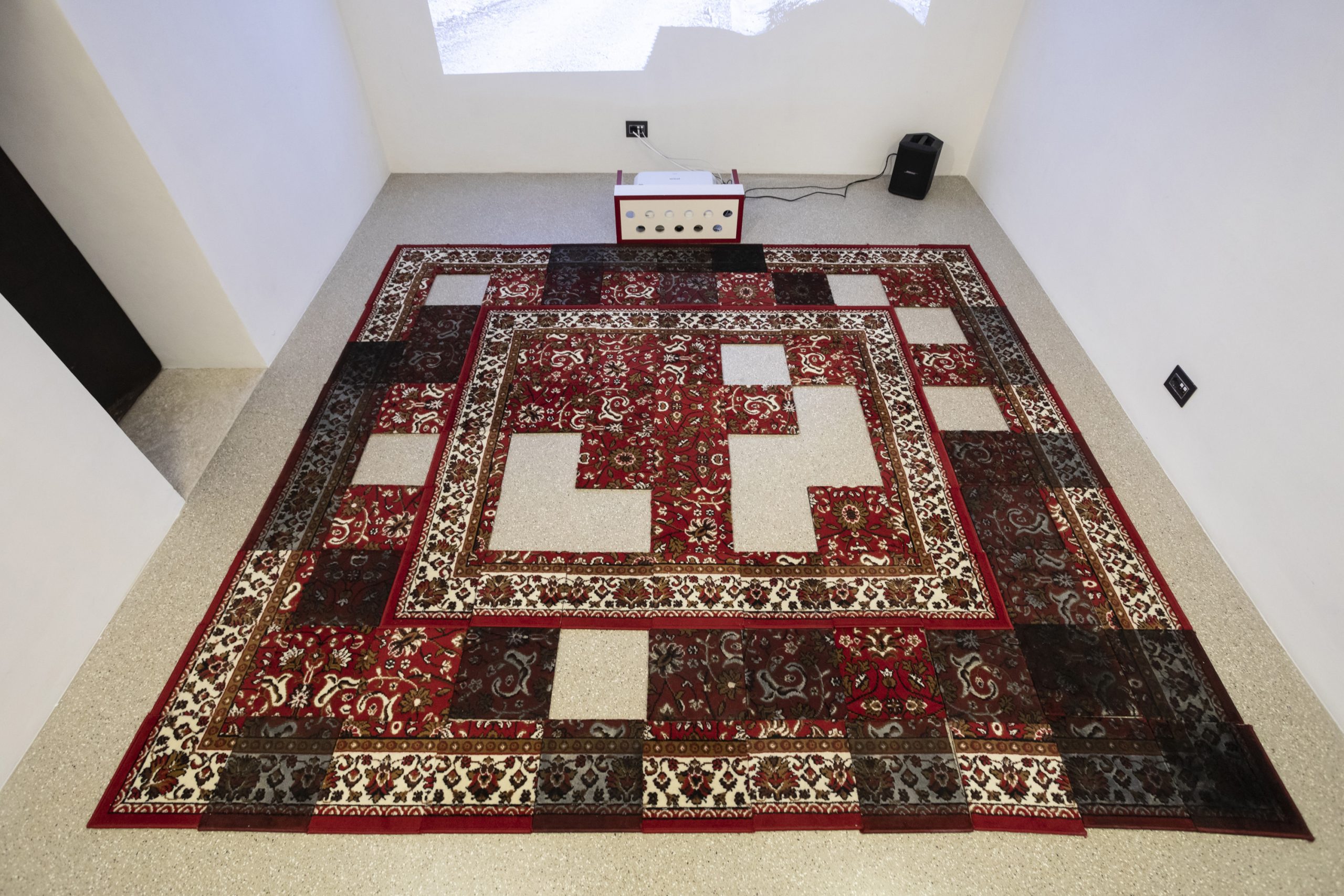
The 10×12 cm works are joined by three installations created specifically for this exhibition by artists in the collection: Rushdi Anwar, a Kurdish artist, presents the work Reframe “Home” with Patterns of Displacement, in which fragments of carpets are placed next to each other, thus generating empty spaces and irregularities in the patterns that refer to the precariousness of refugee life. Laila Ajjawi, a Palestinian street artist, has produced an artistic intervention on canvas that recalls the murals she normally paints in refugee camps. Finally, the photographer Mohamed Keita from the Ivory Coast, who arrived in Rome at the age of 14 in 2007, has produced a series of portraits accompanied by interviews by the journalist Luca Attanasio, titled “Labyrinth“.
With these latest works, the exhibition focuses on a reality closer to home, recounting through the images and direct experiences of the protagonists (both the photographer and the subjects photographed), what it means to be a refugee in Italy today.

November 26, 2026 - May 30, 2027
Museum Fünf Kontinente, München
June 17 - July 19, 2026
Fondazione Luigi Rovati, Milan
November 10 - 13, 2025
European Parliament, Bruxelles
June 9 – August 31, 2025
Giardino Pensile di Palazzo Moroni and Cortile Antico del Bo, Università di Padova
March 7 – July 14, 2024
Gallerie delle Prigioni - Treviso
Curated by
Claudio Scorretti
Irina Ungureanu
Aman Mojadidi
SITE-SPECIFIC INSTALLATIONS
REFUGEE CAMPS
ARTISTS


- Fondazione Imago Mundi ETS
- Piazza del Duomo, 20
- 31100 Treviso, Italy
- Tax Code 94161540268
- info@fondazioneimagomundi.org
- +39 0422 512200
- © 2026 Fondazione Imago Mundi ETS
- Legal Terms / Privacy & Cookie Policy / Credit
- Follow us:
-


-



- Fondazione Imago Mundi ETS
- Piazza del Duomo, 20
- 31100 Treviso, Italy
- Tax Code 94161540268
- info@fondazioneimagomundi.org
- +39 0422 512200
- © 2026 Fondazione Imago Mundi ETS
- Legal Terms / Privacy & Cookie Policy / Credit
- Follow us:
-
-
- Fondazione Imago Mundi ETS
- Piazza del Duomo, 20
- 31100 Treviso, Italy
- Tax Code 94161540268
Follow us:


