





EXHIBITION
Lines, Loops, Leaks
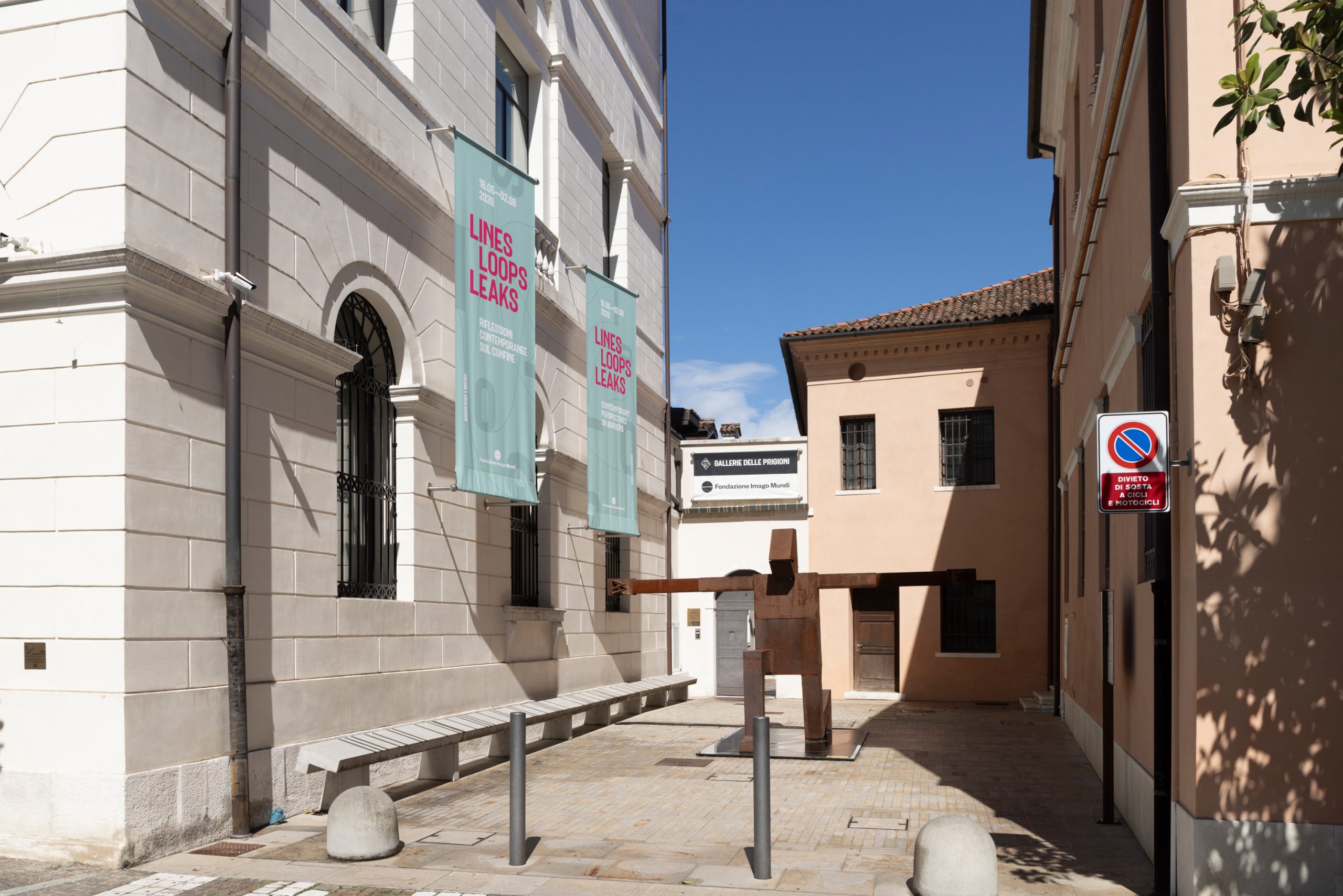
The exhibition offers, through the language and sensibility of contemporary art, a critical reflection on the current forms of the border, explored by artists both as an instrument of power that establishes hierarchies and produces identities, and as a living space in which forms of exclusion, resistance, and creativity simultaneously emerge.
OPENING TIME
Friday 4pm — 7pm; Saturday and Sunday 10:30am —12:30am and 3pm — 7pm
Curated by
Mattia Solari
Programme manager
Chiara Longhi
ARTISTS

DISCOVER MORE
Lines, Loops, Leaks presents an exhibition and research project aimed at interpreting contemporary international realities through artistic practices, investigating the tension between center and margin, and between cultural, geographical, and media visibility and invisibility. The project addresses the theme of borders, now more central than ever: a symbol of a world order undergoing violent transformation, and at the same time an increasingly pervasive device in people’s everyday lives.
The selection of works includes loans from some of the leading international artists engaging with the theme of borders, whose artistic practices address issues of globalization, inequality, colonialism, and identity. The works — ranging from painting to installation, from sculpture to video — explore the subject of borders with the aim of making them visible, intelligible, and ultimately surmountable, while dismantling the discriminatory and colonial mechanisms they carry within them.
The exhibition unfolds around three main trajectories which, although grouped into three strands, are not mutually exclusive; rather, they create a terrain of intersections and exchanges, complementing and intertwining with one another. The exhibition seeks to offer alternative imaginaries and invites viewers to rethink relationships between people, positioning itself at once as a practice of resistance and as an ode to all exceptions.
The first trajectory aims to visualize borders, showing how they materialize both as political devices — physical and symbolic — and as elements that concretely affect the natural landscape. This section includes works by Filippo Berta, Nicolas Brunetti, Shilpa Gupta, and Ryts Monet. Here, geopolitical lines become walls and barbed wire that leave marks on territories and on the people
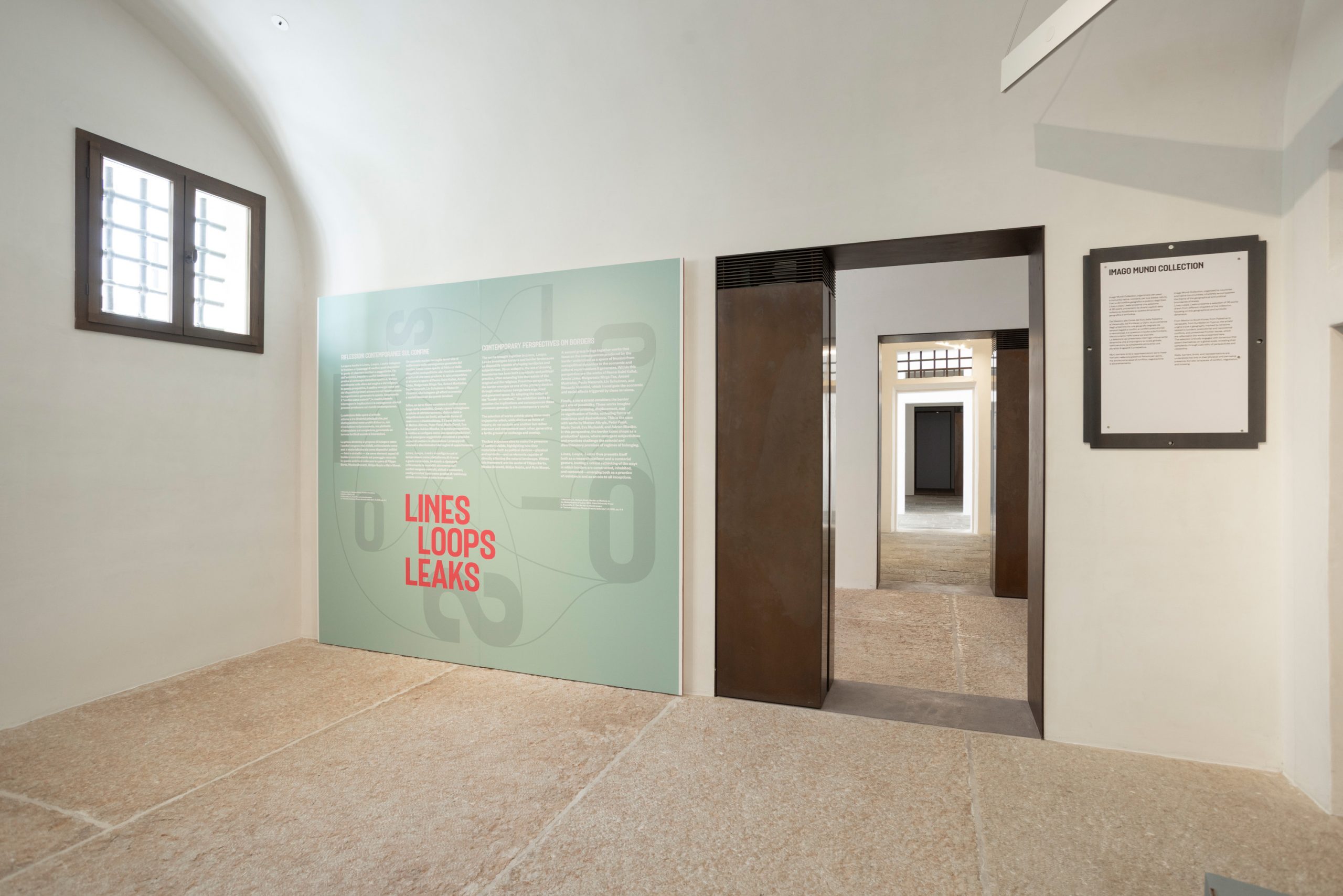
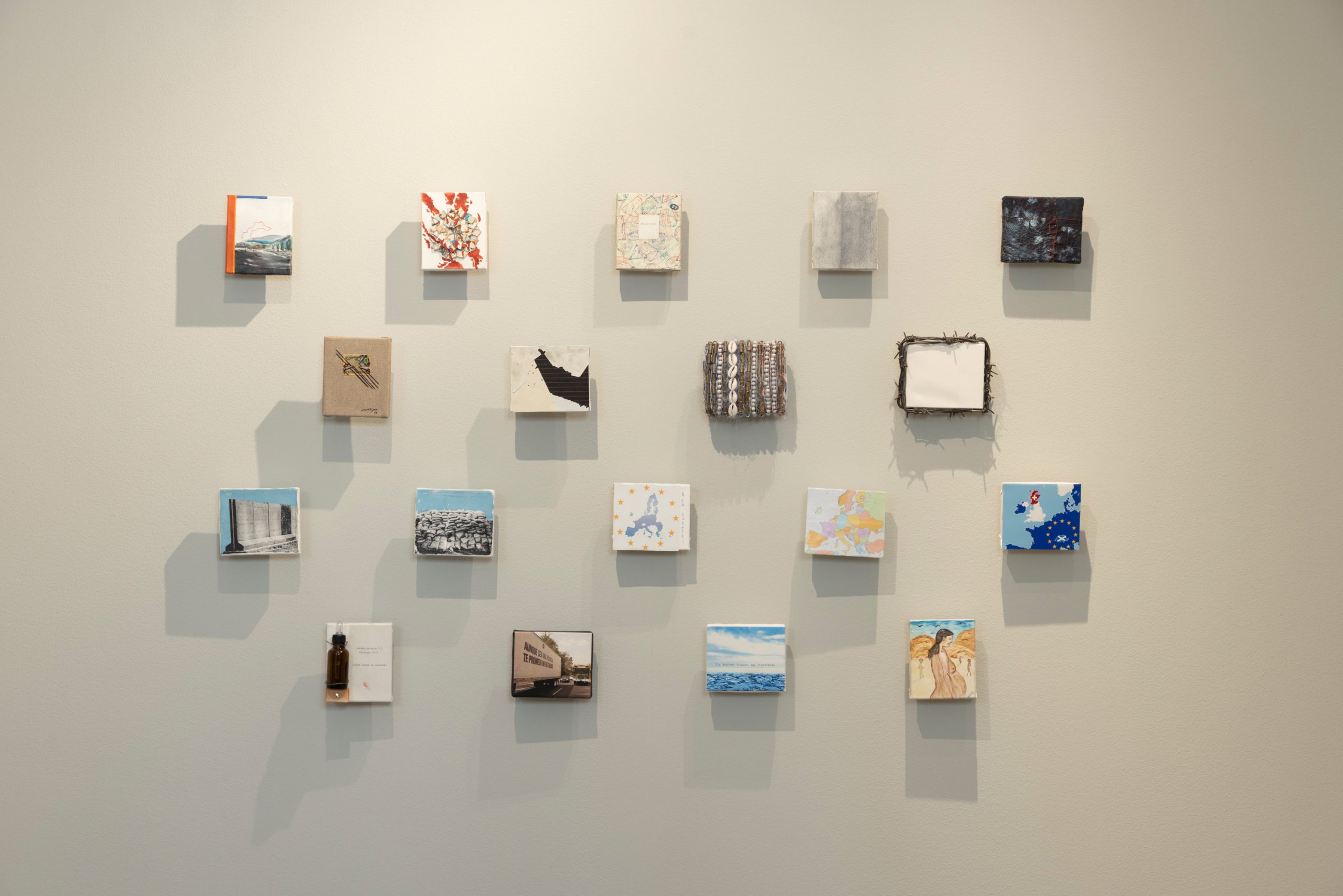
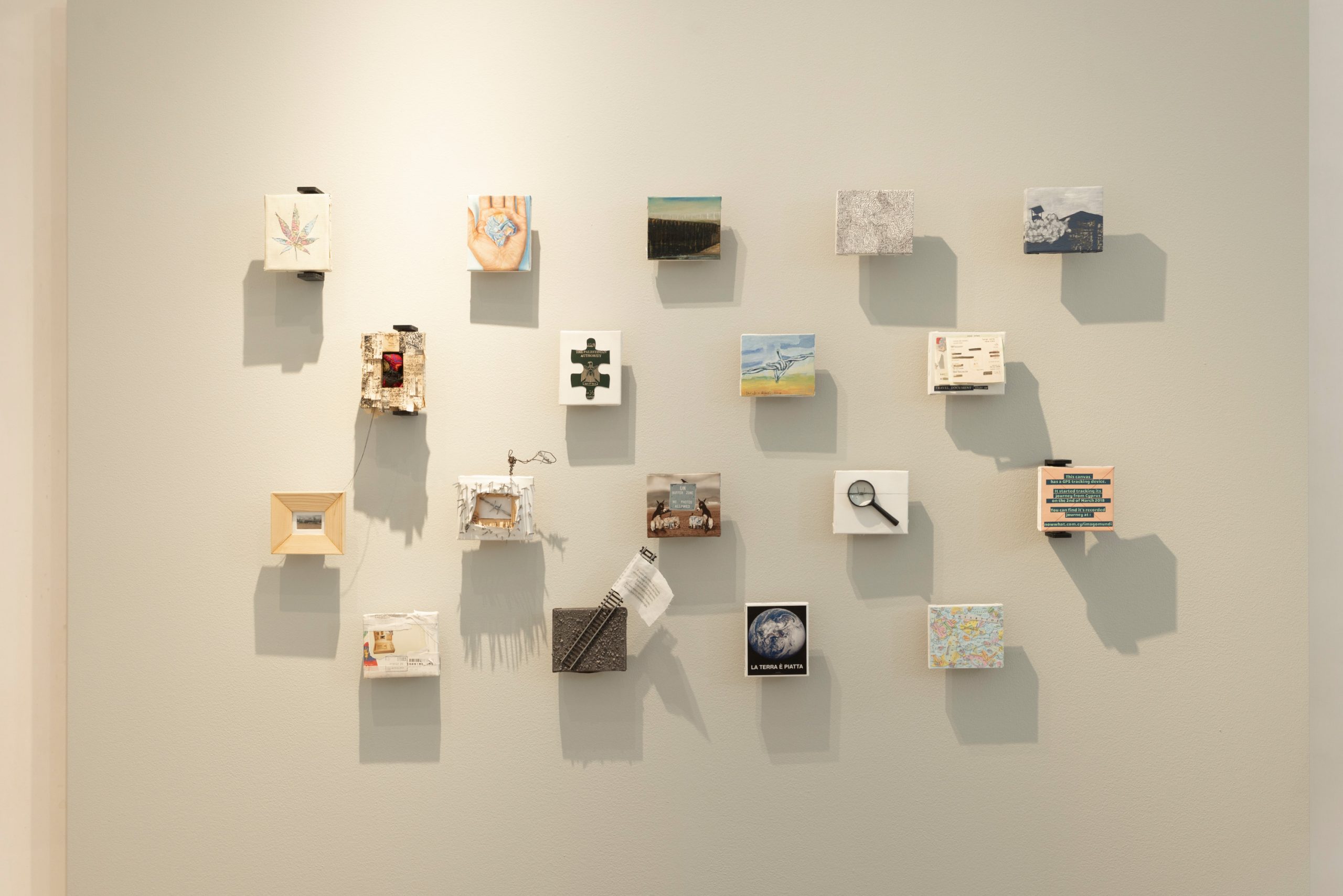
The exhibition opens with a selection of 36 works from the Imago Mundi Collection representing physical, geographical, and symbolic borders. The works in the collection, all measuring 10 × 12 cm, come from different collections and therefore from different regions of the world — including Mexico, South Korea, Palestine, Venezuela, Kurdistan, Cyprus, Syria, Italy, and others — tracing a geography marked by tensions related to borders and unresolved frontier issues.
The 36 artists featured in this section of the exhibition are: Ayesha Akbar, Daniela Alonge, Roohi S. Ahmed, Sedat Akdoğan, Ayman Azraq, Sehee Sarah Bark, Farida Batool, Ernesto Bautista, José Luis Bojórquez, Vanley Burke, Luis Alberto Cenche, Senih Çavuşoğlu, ERWIN, Cecilia Germain, Luis M. Gómez Rincón, Shakila Haider, Ibrahim Hijazi, Syed Hussain, Ibrahim Kone, Paolo Lisi, Hugo Lugo, Garance Mesguich, Leonardo M., Mera Mercel, Mohammed Musallam, Nowwhat Collective, Adrián Preciado, Kamil Saldun, David Santillan, Pete Shaw and Ursula McKeand, Jakkai Siributr, Zehra Şonya, Staphan Takkides, and Mary Tuma.
that cross them, yet they reveal not the strength but the weakness of states, exposing vulnerability, uncertainty, and instability.
A second section gathers works that focus on the consequences generated by the border understood as a space of friction: from sociopolitical dynamics to the economic and cultural repercussions it produces. The modern idea of the border and of a system of sovereign states collides with the dynamics of global capitalism, which instead tends toward the overcoming of barriers. Within this perspective are the works of Reena Saini Kallat, Armin Linke, Małgorzata Mirga-Tas, Antoni Muntadas, Paulo Nazareth, Liv Schulman, and Riccardo Vicentini, whose works address the economic and social consequences triggered by these tensions.
Finally, a third strand considers the border as a place of possibility. The works presented here imagine crossing, displacement, and the re-signification of limits, activating forms of resistance and disobedience. This is the case with works by Adrien Missika, Peter Fend, Matteo Attruia, Eva Marisaldi, and Mario Ceroli. From this perspective, the border emerges as a productive space in which excessive subjectivities and practices capable of challenging the colonial and discriminatory assumptions of regimes of belonging take shape. The artists bypass these filters by imagining forms of mobility capable of overcoming arbitrary divisions.
Throughout the exhibition, visual maps present reflections by the anthropologist Chiara Brambilla, Associate Professor in the Department of Human and Social Sciences at the University of Bergamo, who has made a significant contribution to the theoretical development of the concept of the “borderscape.”
The exhibition opens with a selection of 36 works from the Imago Mundi Collection representing physical, geographical, and symbolic borders. The works in the collection, all measuring 10 × 12 cm, come from different collections and therefore from different regions of the world — including Mexico, South Korea, Palestine, Venezuela, Kurdistan, Cyprus, Syria, Italy, and others — tracing a geography marked by tensions related to borders and unresolved frontier issues.
The 36 artists featured in this section of the exhibition are: Ayesha Akbar, Daniela Alonge, Roohi S. Ahmed, Sedat Akdoğan, Ayman Azraq, Sehee Sarah Bark, Farida Batool, Ernesto Bautista, José Luis Bojórquez, Vanley Burke, Luis Alberto Cenche, Senih Çavuşoğlu, ERWIN, Cecilia Germain, Luis M. Gómez Rincón, Shakila Haider, Ibrahim Hijazi, Syed Hussain, Ibrahim Kone, Paolo Lisi, Hugo Lugo, Garance Mesguich, Leonardo M., Mera Mercel, Mohammed Musallam, Nowwhat Collective, Adrián Preciado, Kamil Saldun, David Santillan, Pete Shaw and Ursula McKeand, Jakkai Siributr, Zehra Şonya, Staphan Takkides, and Mary Tuma.
CAPTIONS
Access court of Gallerie delle Prigioni
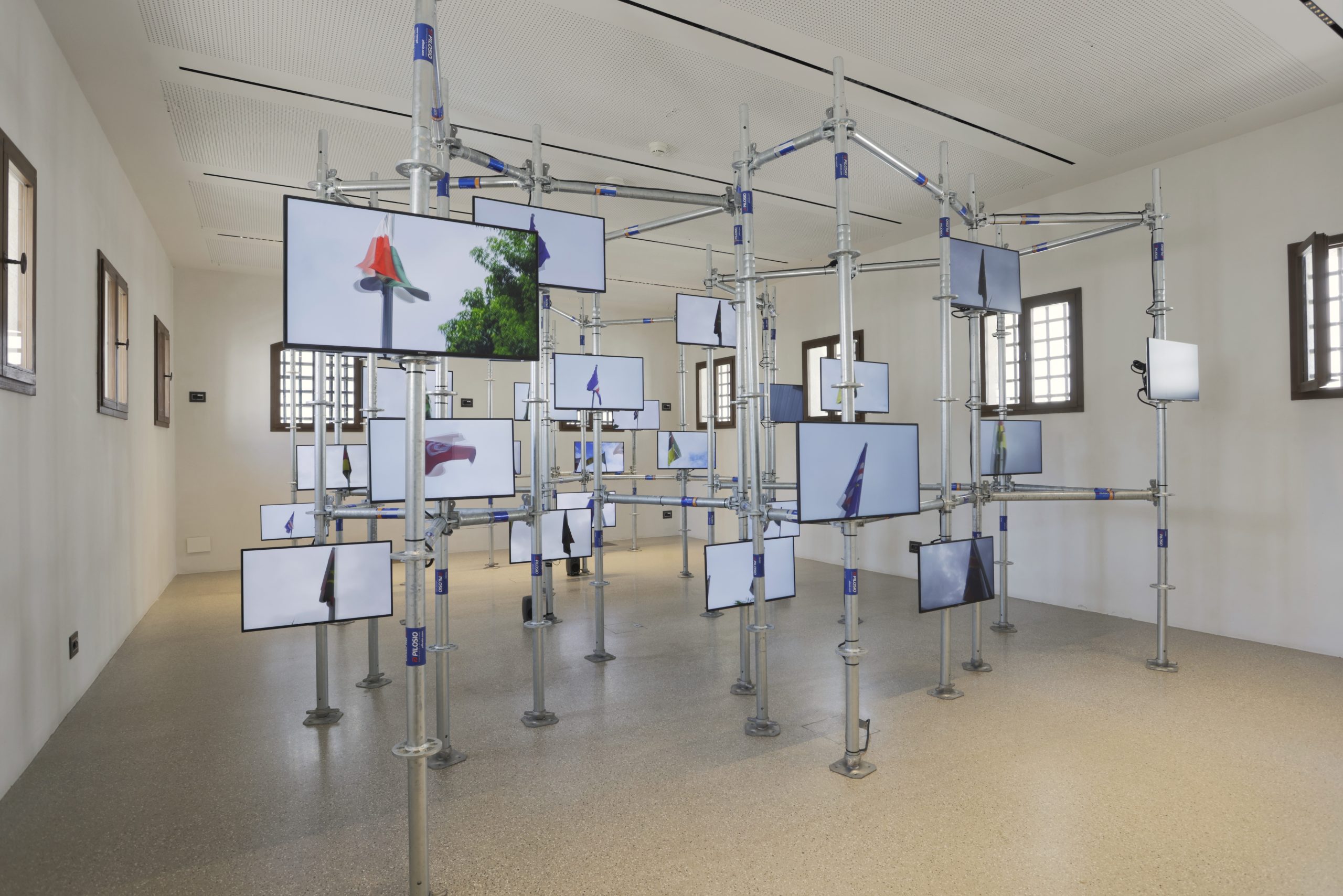
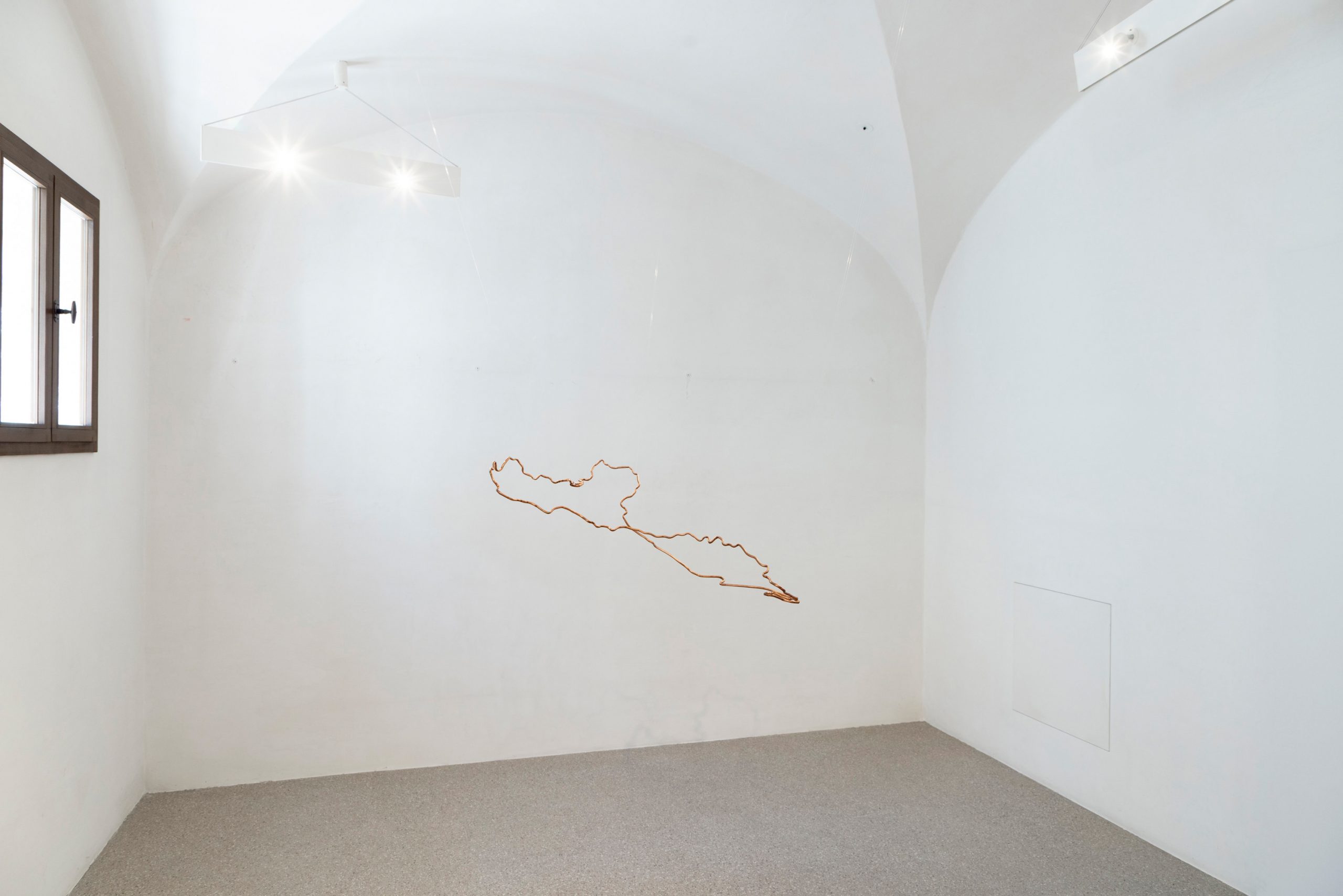
Installation view Lines, Loops, Leaks, Fondazione Imago Mundi, 2026
Paulo Nazareth, Ode to the sovereignty of Africa, 2022 – 2026. Courtesy of the artist and Mendes Wood DM
Shilpa Gupta, MapTracing #9 – IT, 2023. Courtesy of the artist and Galleria Continua
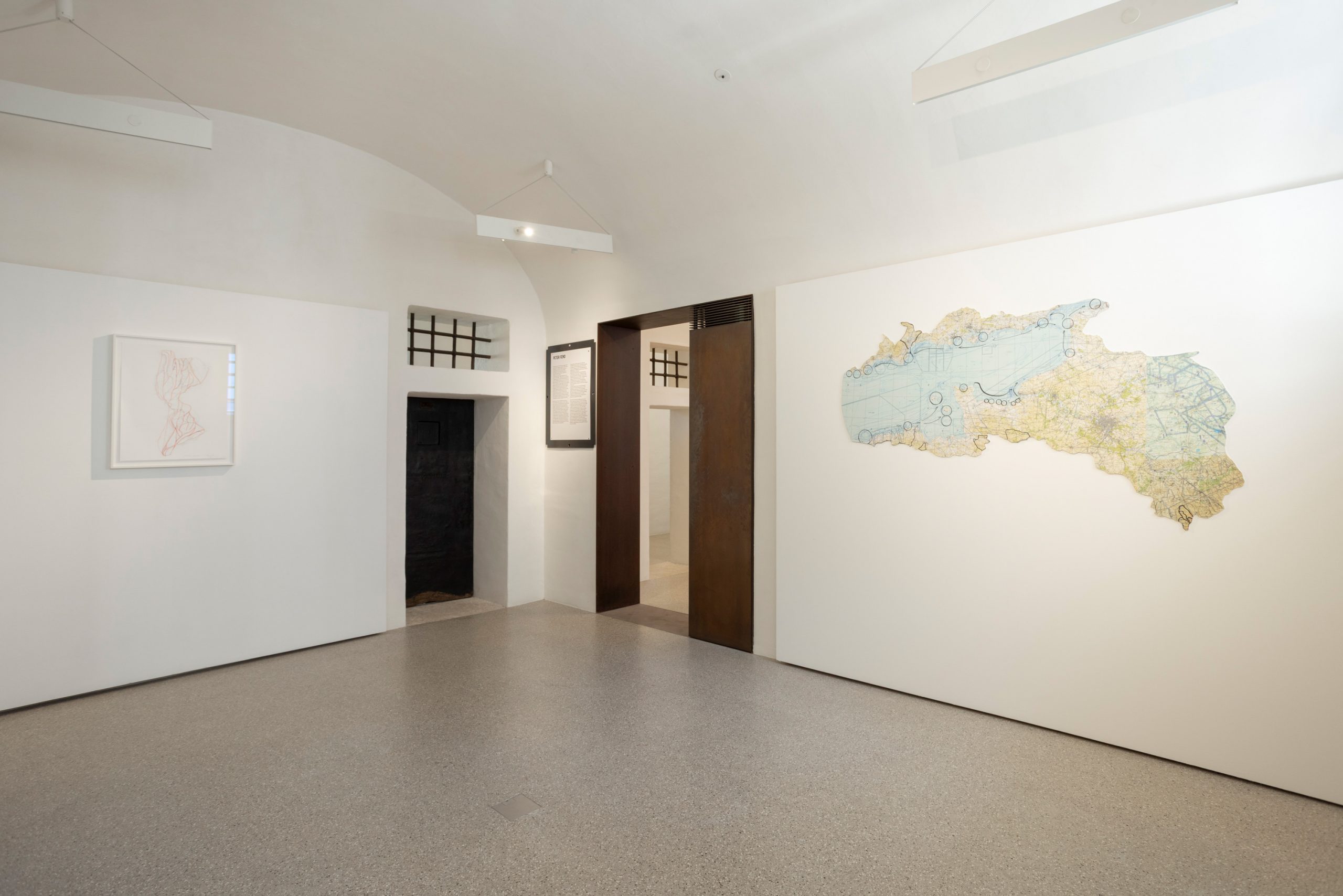
Installation view of Peter Fend’s work in Lines, Loops, Leaks, Fondazione Imago Mundi, 2026
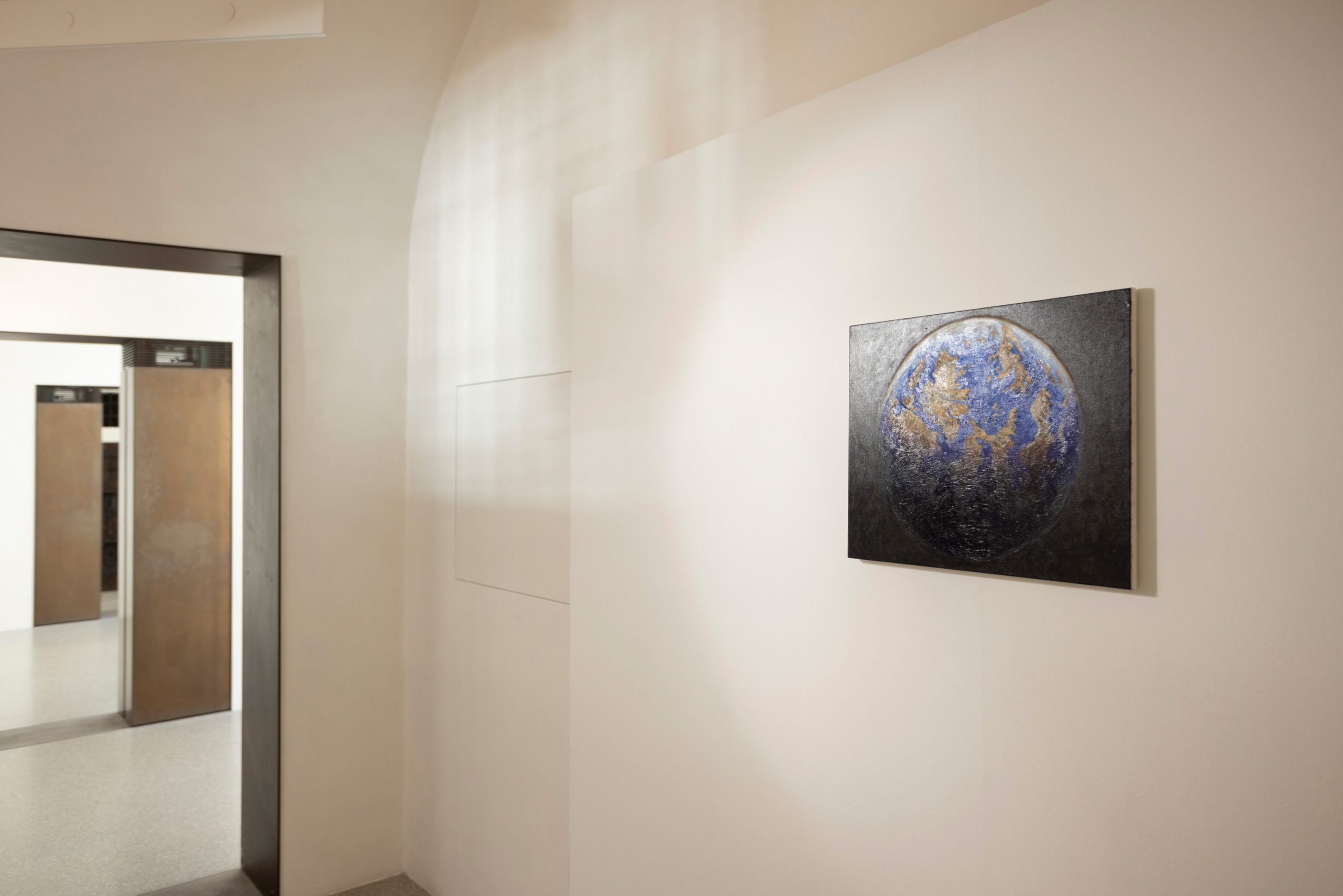
Riccardo Vicentini, Paesaggio terrestre, 2026. Courtesy of the artist
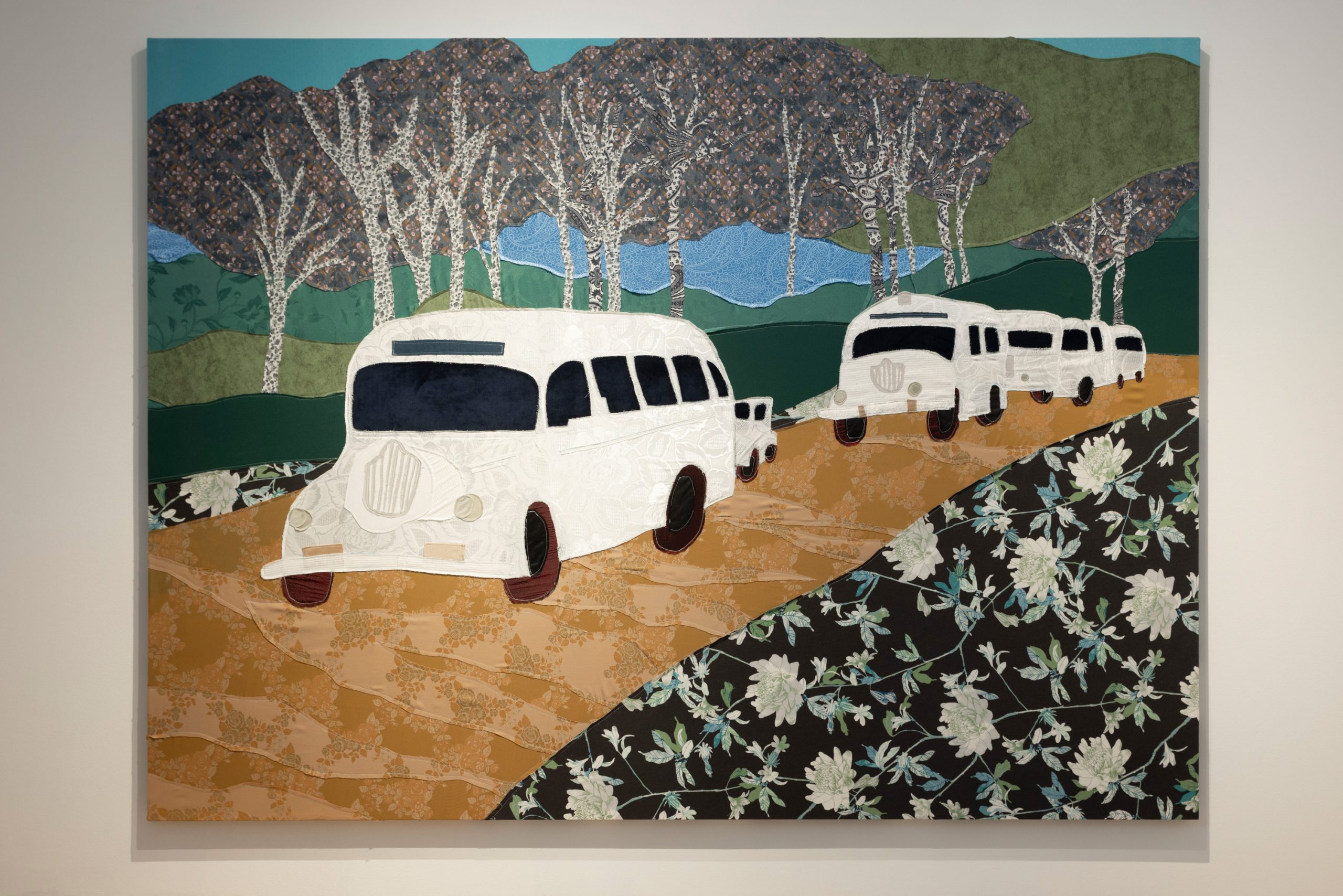
Małgorzata Mirga-Tas, Przytradle Kola Manusia So Przedzidzile, 2023. Courtesy of the artist and Foksal Gallery Foundation
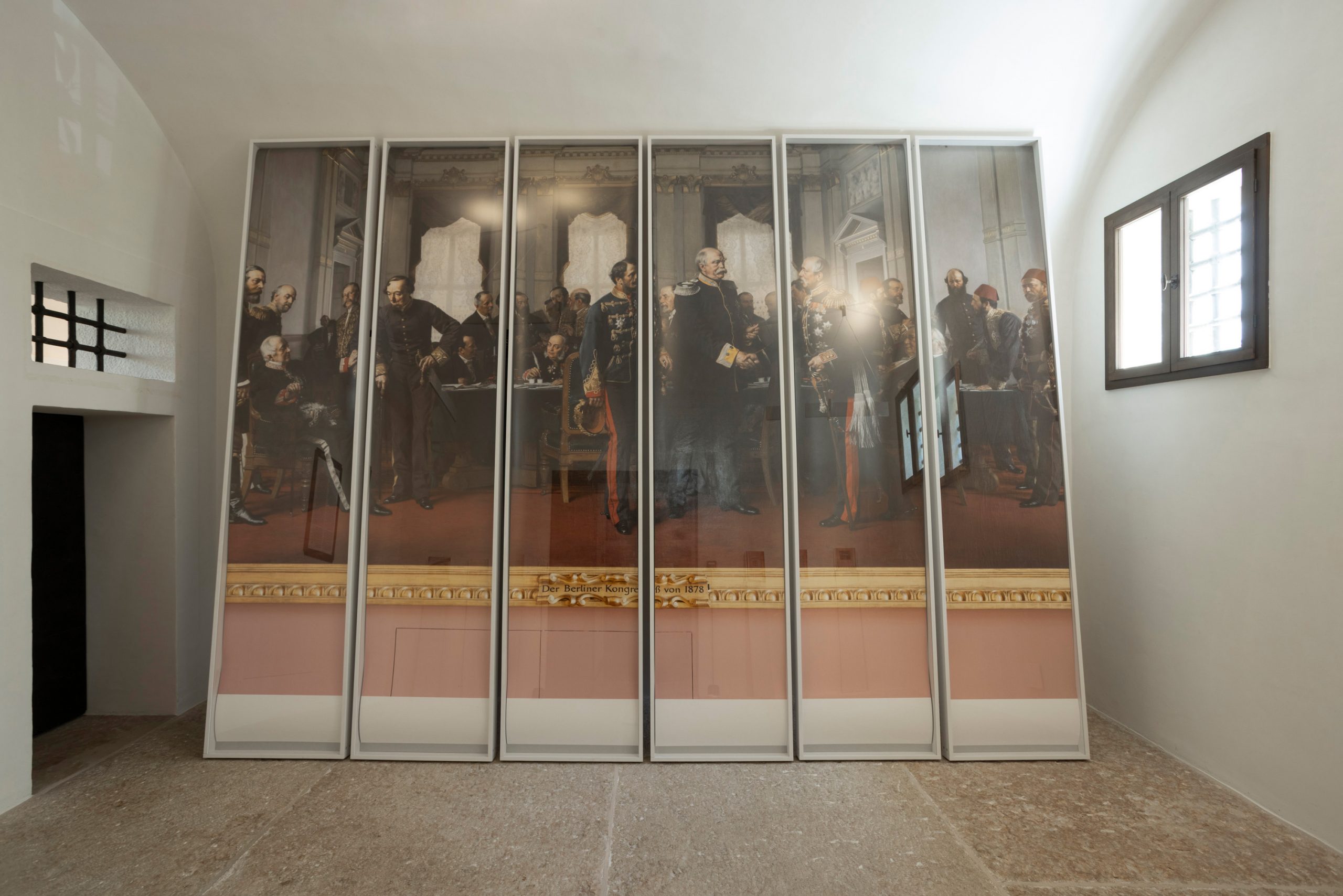
Armin Linke, Negotiation Table [Verhandlungstische], 2025. Courtesy of the artist
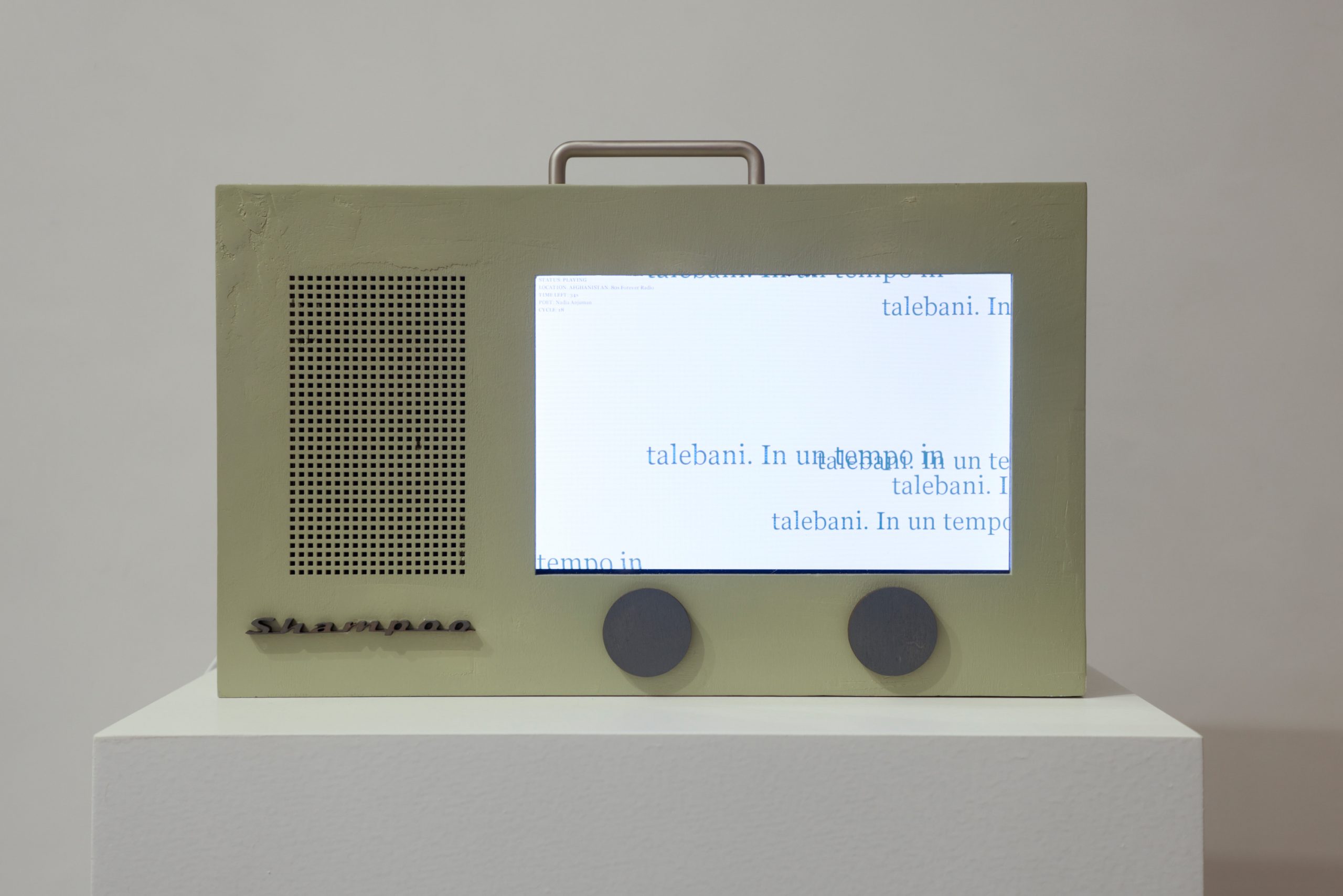
Eva Marisaldi, Shampoo 1, 2025. Courtesy of the artist and Galleria De’Foscherari
Installation view of Imago Mundi Collection artworks
© Marco Pavan
15 May - 02 August, 2026
Gallerie delle Prigioni - Treviso
OPENING TIME
Friday 4pm — 7pm; Saturday and Sunday 10:30am —12:30am and 3pm — 7pm
Curated by
Mattia Solari
Programme manager
Chiara Longhi
ARTISTS
DISCOVER MORE


- Fondazione Imago Mundi ETS
- Piazza del Duomo, 20
- 31100 Treviso, Italy
- Tax Code 94161540268
- info@fondazioneimagomundi.org
- +39 0422 512200
- © 2026 Fondazione Imago Mundi ETS
- Legal Terms / Privacy & Cookie Policy / Credit
- Follow us:
-


-



- Fondazione Imago Mundi ETS
- Piazza del Duomo, 20
- 31100 Treviso, Italy
- Tax Code 94161540268
- info@fondazioneimagomundi.org
- +39 0422 512200
- © 2026 Fondazione Imago Mundi ETS
- Legal Terms / Privacy & Cookie Policy / Credit
- Follow us:
-
-
- Fondazione Imago Mundi ETS
- Piazza del Duomo, 20
- 31100 Treviso, Italy
- Tax Code 94161540268
Follow us:


